
You can absolutely style short hair while growing it out without it looking like a mistake. The key is matching your technique to your current length, not fighting what your hair is doing right now. That means using the right products, cutting strategically (not starting over), and leaning into styles that work at each awkward stage instead of waiting until you hit some imaginary finish line.
How to Style Short Hair While Letting It Grow Out

Marcus Vickers
23 May 2026
Know your starting point and growth stage
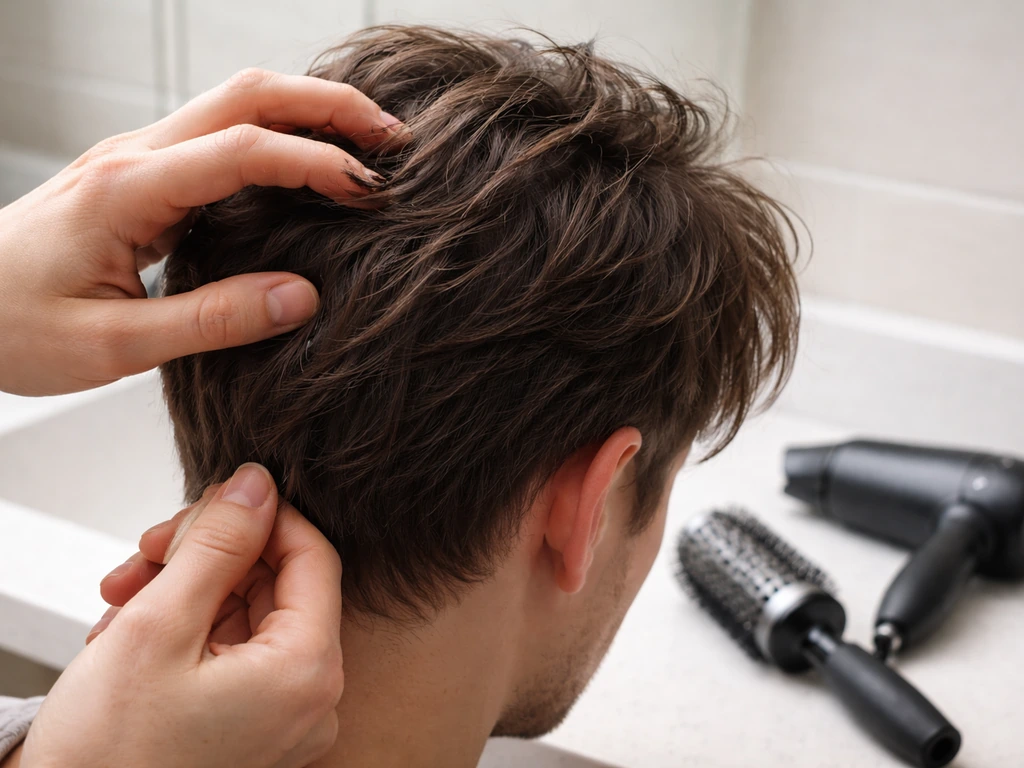
Before you can style anything, you need an honest picture of where you are. Hair grows at roughly 0.5 inches per month on average, so a pixie or buzz cut that sits at 1 to 2 inches right now will take at least 6 months to reach chin length and closer to 18 to 24 months to hit your shoulders. Healthline similarly notes that human scalp hair grows at an average rate of about 0.5 inches per month (about 6 inches per year). That's not doom and gloom, it's just the math, and knowing it helps you plan.
Think of grow-out in rough stages. Stage one is the very short phase (under 2 inches): you're still close to your original cut but things are starting to lose their shape. Stage two is the awkward middle (2 to 4 inches): this is where most people want to quit. The top might be fluffy, the sides are uneven, and nothing sits the way it used to. Stage three is the transitional length (4 to 6 inches): you can start doing more, but layers and bulk are now real issues. Stage four is where styling genuinely opens up (6 inches and beyond). Each stage needs a different approach, and treating them all the same is what makes grow-out feel hopeless.
Quick styling rules for awkward short regrowth
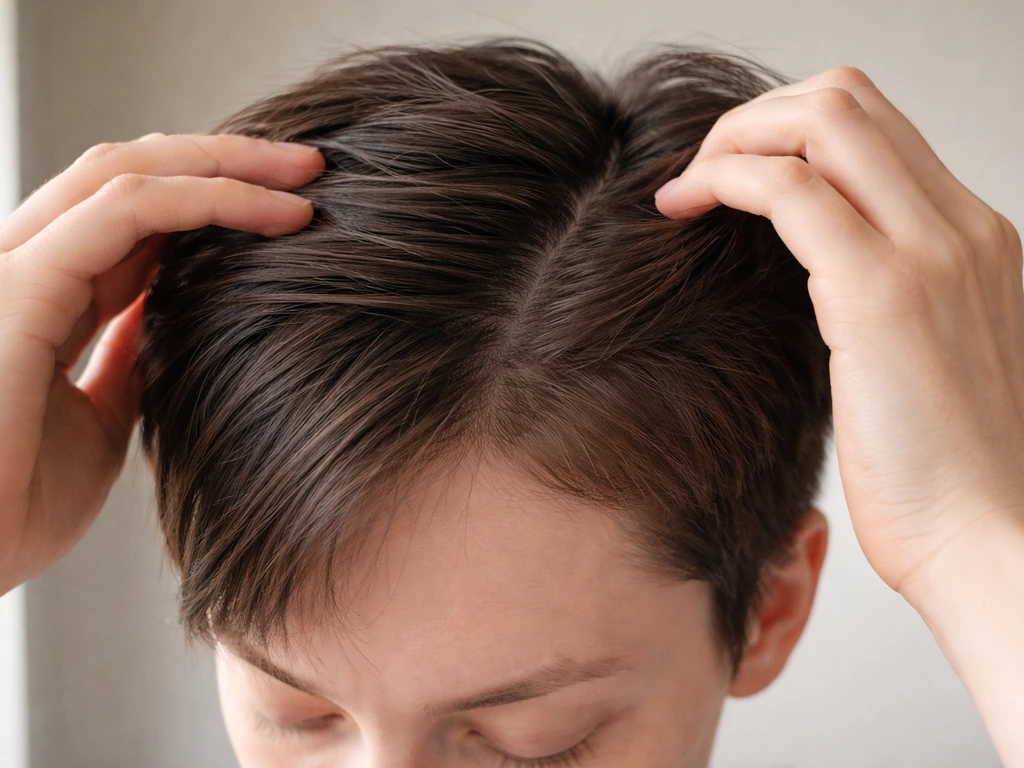
The number one mistake people make during the awkward phase is trying to style their grown-out short hair the same way they styled it when it was freshly cut. Trying to find the best styles to grow out short hair can make the awkward stages feel a lot more manageable style their grown-out short hair. The shape is gone, so those old moves won't work. Here's what actually helps.
- Change your part. Moving your part even half an inch to the side instantly adds volume and intention where it looks flat or heavy. A deep side part is especially useful during the 2-to-4-inch stage.
- Use a directional blow-dry instead of just drying randomly. Point the nozzle in the same direction as the handle so airflow is controlled. Blow hair forward, to the side, or down depending on the shape you want, rather than letting it air-dry into whatever shape it lands in.
- Add texture instead of trying to smooth everything. At awkward lengths, smoothing often just exposes how uneven things are. Texturizing paste or pomade lets you piece things apart so it looks deliberate.
- Pin strategically. Bobby pins and small clips aren't just for holding hair back, they're a styling tool. Two crossed pins at the temple, a pin-curl effect on a side sweep, or a clip-back on one side all work during the shorter stages.
- Don't over-brush. Brushing short grow-out makes it puff out and lose any shape. Use your fingers or a wide-tooth comb instead.
How to manage bangs and fringe while growing
Bangs are one of the most frustrating parts of a grow-out because they hit awkward lengths faster than the rest of your hair. When they're too short to tuck but too long to style cleanly, here's what works.
Side-sweeping is the classic solution and it still works. Use a small amount of pomade or strong-hold gel on damp bangs, comb them to the side, and blow-dry them in that direction. Let them cool before touching. This keeps them flat and intentional rather than poufy or hanging in your eyes.
Once bangs hit about 2 to 3 inches, you can start curling them back and away from your face with a round brush while blow-drying. This gives you a soft, retro look that actually suits the grow-out phase instead of just managing it. You can also twist them into a small pin curl and clip them to the side while they dry for a similar effect without heat.
If you're growing out curtain bangs or wispy fringe, the in-between stage (where they're just past your eyebrows) is easiest handled with a center part and some light hold gel to lay them flat and blend them into the rest of your hair. Avoid heavy dry shampoo on bangs during this phase as it adds bulk right where you don't want it.
One thing worth knowing: you can trim your bangs for shape without resetting the grow-out. A tiny trim to remove weight or even out the line isn't the same as cutting them short again. If they're driving you crazy, a small clean-up is a maintenance move, not a defeat.
Styles for different textures: straight, wavy, and curly or coily
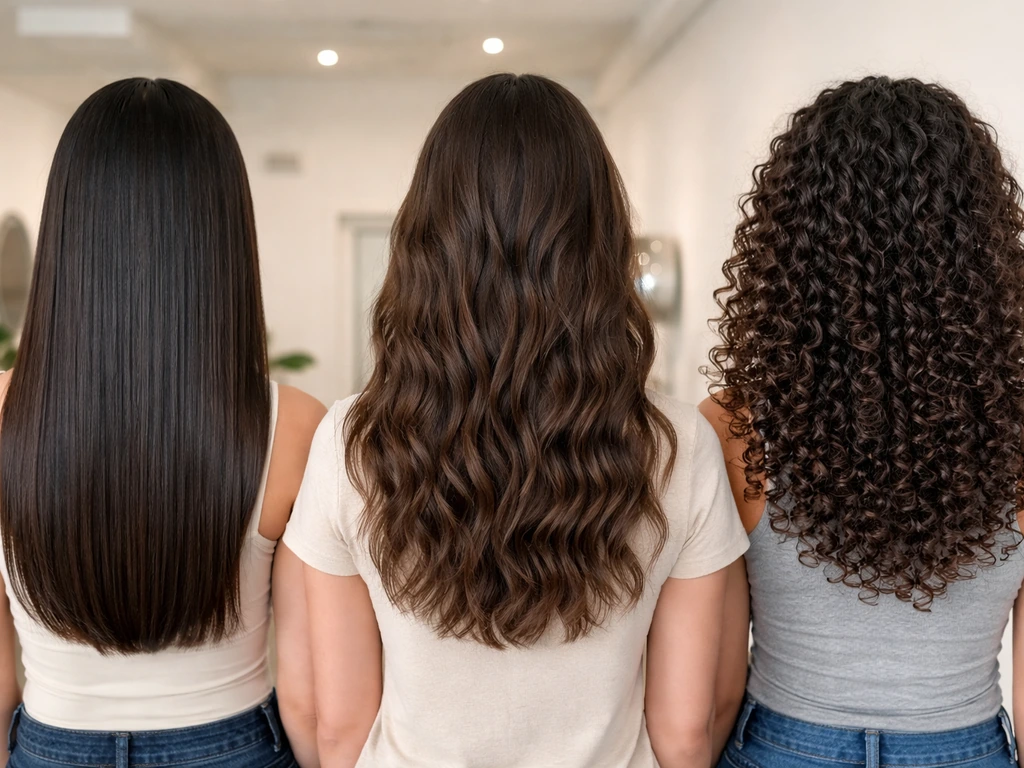
Straight hair
Straight hair tends to show every awkward length change very clearly because there's no natural texture to hide behind. The best moves here are directional styling (using a round brush and blow-dryer to push hair where you want it) and strategic product use. Pomade or paste gives you grip and piecy texture, which is much more flattering than letting straight hair hang limp. At the 3-to-5-inch stage, straight hair also responds well to a small flat iron to create soft bends at the ends, which adds shape and makes the length look intentional.
Wavy hair
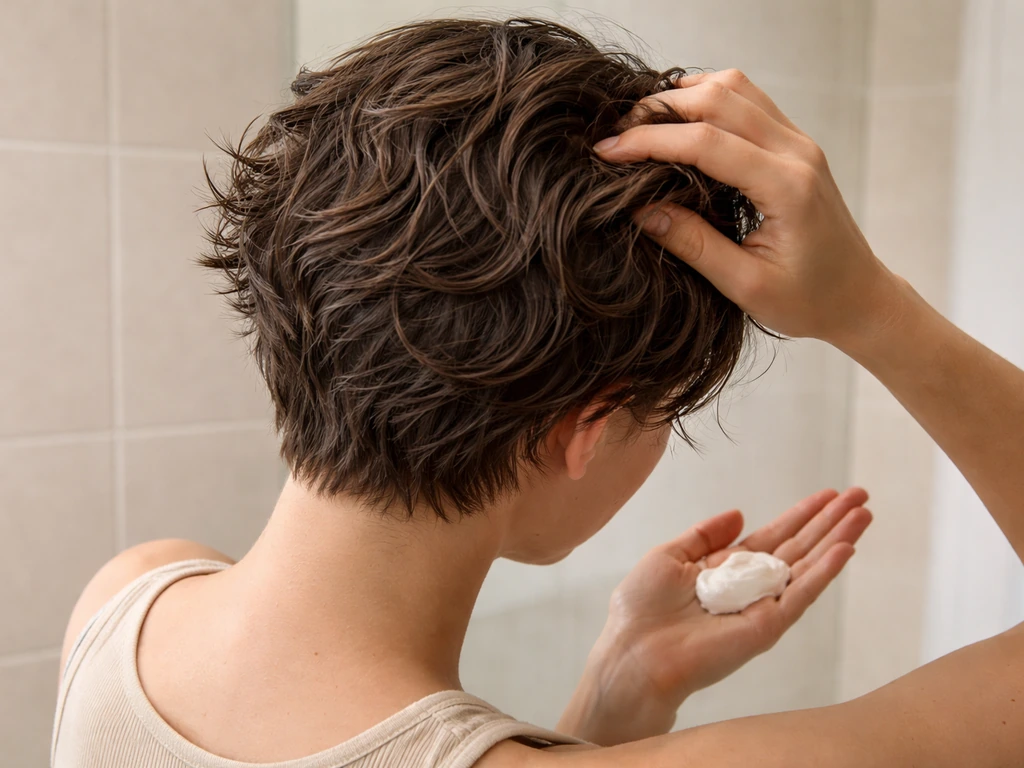
Wavy hair is actually the most forgiving texture during a grow-out because the natural movement disguises uneven lengths really well. The challenge is that shorter wavy hair can go frizzy or poofy before it's long enough to form proper waves. Keep moisture in with a lightweight leave-in conditioner, scrunch while wet rather than towel-rubbing, and let it air-dry or use a diffuser on low heat. Once your waves reach about 3 to 4 inches, they'll start forming more defined patterns and the grow-out looks much less chaotic.
Curly and coily hair
Curly and coily hair shrinks significantly as it grows, which means the visual length you see doesn't match the actual growth. A half inch of growth on type 4 hair might look like no growth at all because of shrinkage. This can be discouraging, but it also means uneven lengths are much less obvious. Focus on keeping curls hydrated (curl cream or a good styler applied on soaking wet hair), diffuse or air-dry, and use the shrinkage to your advantage by embracing wash-and-go styles at each stage. At the shorter stages, finger coils on smaller sections can add definition and make sparse regrowth look much fuller.
Dealing with undercuts, layers, and bulk on top
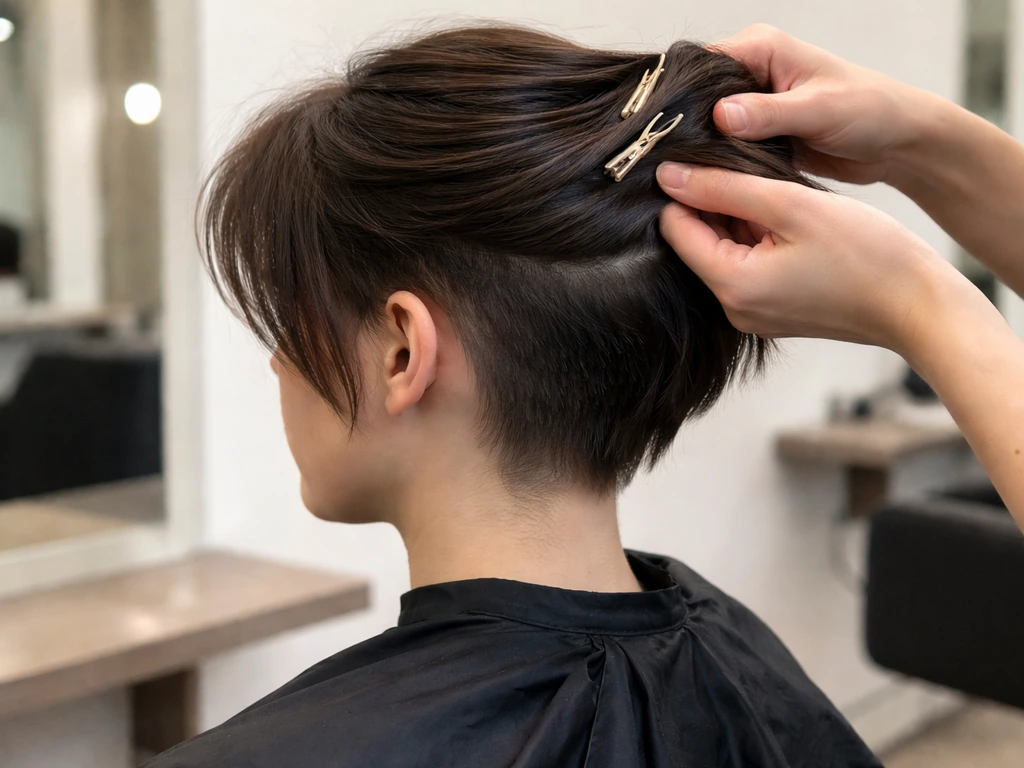
If you're growing out a cut that had an undercut (shaved or very closely clipped sides and back), you've got a specific challenge: the sides are growing in at a different rate and density than the top, so you'll hit a stage where you look like you have a mushroom cloud. This is probably the most complained-about part of the whole process.
The main strategy is to redirect the top hair downward and outward to cover the sides as they catch up. A side part with the longer top swept over does this well. You can also use a light-hold gel on the sides to slick them flat and close to the head, which reduces the contrast between the flat sides and fuller top. Once the undercut grows past about an inch and a half, the difference becomes much easier to blend with directional styling.
Layers are a different issue. When layers from a pixie or short bob grow out, you end up with the bottom layer longer than everything on top, which creates an odd shelf or flip. This is where a shape-maintaining trim (not a full cut) is genuinely useful. Ask your stylist to take just a little off the bottom to keep things even as the top catches up, rather than cutting the whole thing short again.
Bulk on top (common with thick hair) is best managed by blow-drying downward and using a flattening or smoothing product while hair is still damp. Avoid volumizing products entirely during the grow-out if bulk is your issue. A small amount of pomade worked through the crown while finishing with a cool shot from the blow-dryer helps press things down without making hair look greasy.
Use product and tools the right way for short hair
Product choice at short grow-out lengths really matters because you're working with small amounts of hair. Too much product and it looks wet or stiff. Too little and nothing holds. Here's a practical breakdown of what works at each stage.
| Product type | Best grow-out stage | How to use it |
|---|---|---|
| Strong-hold gel | 1 to 3 inches (early stage) | Apply to damp hair, comb through, blow-dry or air-dry for defined shape |
| Pomade or paste | 2 to 5 inches (awkward middle) | Warm a pea-size amount between palms, work through dry hair for texture and control |
| Texturizing spray | 3 to 6 inches (transitional) | Spritz on dry hair and scrunch or tousle for volume and movement |
| Dry shampoo | Any stage | Use at roots only to add grip and volume; avoid applying to bangs or fine layers |
| Leave-in conditioner | Wavy/curly/coily at any stage | Apply to soaking wet hair before diffusing or air-drying |
For tools, a round brush (medium size) and a blow-dryer with a nozzle attachment are your best friends during a grow-out. The nozzle keeps airflow directional so you're shaping as you dry, not just creating frizz. For curly or coily hair, a diffuser attachment on the lowest heat setting prevents disrupting the curl pattern. Flat irons and curling wands become genuinely useful around the 3-to-4-inch mark when there's enough hair to grip. Before that, they can cause more harm than good.
Maintenance trims and timeline: what to do next
Here's the part most people get wrong: they either avoid the salon entirely (because they're scared of losing length) or they go in and accidentally reset everything. The answer is somewhere in the middle. Maintenance trims every 8 to 12 weeks that focus on shape rather than length are genuinely part of growing out well. That means cleaning up the neckline, removing weight from sections that are growing faster than others, and keeping the overall shape intentional. It does not mean taking off length.
A rough timeline to set your expectations, assuming about 0.5 inches of growth per month:
- Months 1 to 3: You're in the shortest awkward stage. Focus on directional styling, strong-hold product, and part changes. Don't panic.
- Months 4 to 6: Hair is hitting 2 to 3 inches. This is the hardest phase visually. Texturizing paste, strategic pins, and a good side-sweep will carry you through.
- Months 7 to 10: You're approaching 3.5 to 5 inches. Styling options expand. You can start using a round brush more creatively, and options like a small bun or half-up style start to be possible.
- Months 11 to 16: Depending on your starting cut, you're nearing or past shoulder-grazing length. Most of the really awkward phases are behind you, and you're into genuine shaping and length work.
If you started from a buzz cut or very close crop, add 2 to 4 months to all of those stages. If you had a longer pixie or short bob, you might move through stages one and two faster.
There's a lot of overlap between what works here and the broader question of how to style hair at each stage as it transitions, or which actual hairstyles work best when you're letting things grow. If you want ideas for hairstyles when letting your hair grow out, focus on your current length and texture so the style feels intentional at every stage how to style hair at each stage as it transitions. Those are worth exploring in more depth depending on where you are in your growth journey. For more specific guidance, see our tips on how to style hair as you grow it out. But right now, the most useful thing you can do is identify your stage, pick two or three of the techniques above that suit your texture, and commit to them for the next 6 to 8 weeks. If you want specific hairstyles when trying to grow out short hair, focus on your current length stage and match the style to your texture pick two or three of the techniques above. The grow-out is long, but each awkward phase is shorter than it feels when you're in it.
FAQ
How do I know which grow-out stage I’m in if my hair looks uneven on top and sides?
Use the shortest area that’s closest to your awkward length, usually the bangs or the sides, and compare that to the stage ranges. If your bangs are around 2.5 inches but your sides are closer to 1.5 inches, treat it like stage one for styling bangs control and stage two for everything else. This prevents choosing tools or products that only work at longer lengths (like flat-ironing ends).
Can I use hairspray or should I stick to pomade and gels during the grow-out?
You can use hairspray, but for short lengths it’s usually better as a finishing step rather than the base product. Start with a light gel, paste, or pomade for grip, then mist hairspray just once to lock direction. Heavy, frequent hairspray can make hair look stiff and emphasize flyaways as lengths change.
What should I do when my bangs won’t stay down even after blow-drying?
Make sure your bangs are damp to evenly set, apply a small amount of strong-hold gel or pomade, then blow-dry with the comb in the direction you want while keeping airflow consistent. Let them cool completely before touching. If they still spring back, your hair may need a slightly more absorbent drying towel (less rubbing) or a lower product amount that avoids a greasy layer.
Is it okay to trim the sides and back while I’m growing out a short cut, or will it slow everything down?
A small “shape maintenance” trim is fine and usually helpful, it removes the most annoying uneven bulk or neckline growth without taking off meaningful length. Tell your stylist not to shorten uniformly, ask for cleanup of faster-growing sections and light thinning only where it flips or shelves. This keeps the process moving while reducing the contrast that makes the awkward stage look worse.
How often should I get trims during the grow-out if I don’t want to reset my length?
Plan on a trim every 8 to 12 weeks, focusing on neckline cleanup and bulk control rather than cutting for style. If you have very thick hair, you may need slightly more frequent thinning to prevent a heavy shelf on top, but avoid frequent “evening out” that removes more length than intended.
What’s the best way to style short hair in windy or humid weather?
Use a lighter base product with real hold (gel or paste) and then protect the style with either minimal hairspray or a quick blow-dry set. For wavy or curly hair, keep moisture locked in with a leave-in and use a diffuser or air-dry method that preserves your pattern. In humidity, skip overly dry products on bangs and fringe because they can add bulk and puff right where you want sleekness.
Why does my hair look flatter than expected even when I style it with product?
At short lengths, product can weight the hair down before it forms a visible shape, especially with thick or straight hair. Try using less product, apply it mainly to the mid-lengths and crown only as needed, and blow-dry directionally (not just drying). If you’re using a volumizing product, switch to smoothing or flattening while you are in the 2 to 5 inch window.
Can I use a flat iron or curling wand before I reach the 3 to 5 inch mark?
You can, but it often creates inconsistent results when pieces are too short to hold a proper bend. If you do use heat early, use it only on slightly longer sections (like the ends of bangs once they reach a usable length) and keep passes light. The safer default is round-brush shaping and directional blow-drying until you can grip enough hair to form clean ends.
My undercut looks like a mushroom cloud, what’s the quickest fix at home?
Use a side part with the longer top swept over the sides, then apply a small amount of light-hold gel on the sides to press them close to the head. Blow-dry in the direction of coverage while the hair is damp. Once the undercut sides are past about an inch and a half, blending becomes easier, but until then reduce contrast by controlling direction rather than waiting for length.
How should I style if my hair is shrinking a lot (curly or coily) and I can’t tell if it’s actually growing?
Track growth by checking how the hairline and bangs move relative to your eyebrows or cheek area, not by the “loose hair” length alone. Keep curls hydrated and define on soaking wet hair with curl cream, then diffuse on low or air-dry. Use wash-and-go styles in each stage so uneven regrowth is disguised by curl formation.