
The key to styling hair as you grow it out is matching your technique to the specific length you're at right now, not the length you're aiming for. If you want hairstyles when trying to grow out short hair, focus on shapes and routines that match your current length and awkward phases. Every stage from a buzz or pixie to a bob to shoulder length behaves differently, and the products and moves that worked last month often stop working once you gain another inch. This guide walks you through exactly what to do at each stage, how to handle the frustrating in-between problems (cowlicks, flyaways, uneven patches, growing-out undercuts and bangs), and how to stay sane and actually like how you look while the process happens.
How to Style Hair as You Grow It Out: Phase-by-Phase

Marcus Vickers
12 May 2026
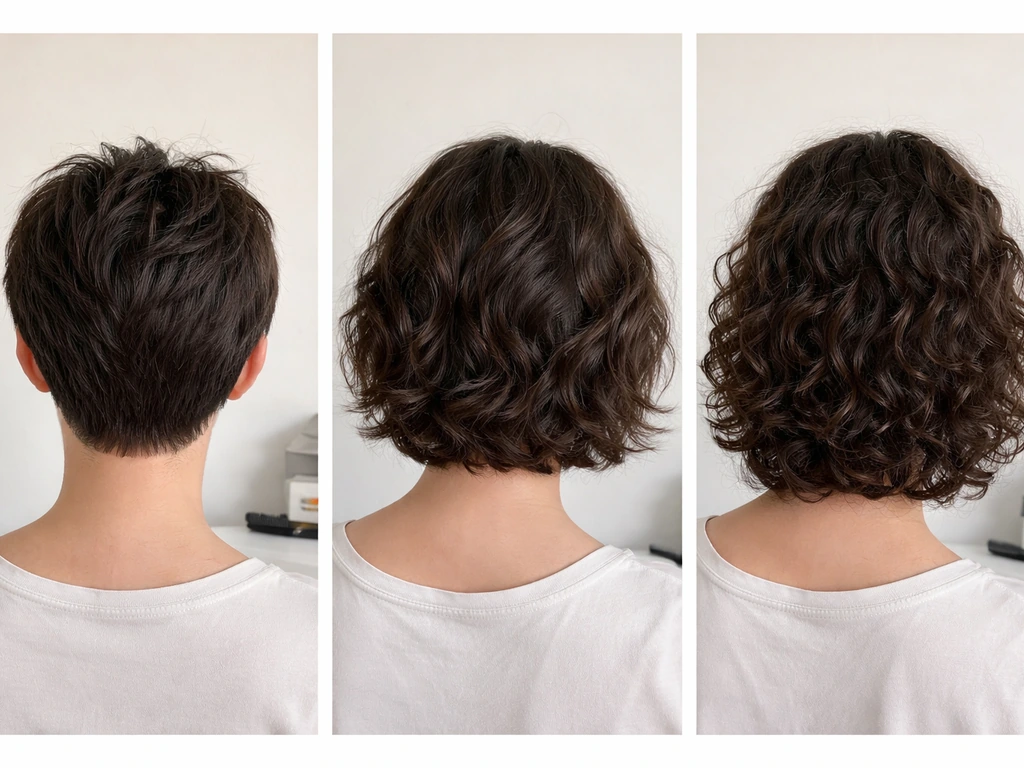
How growth phases change the way your hair behaves
Hair grows roughly half an inch per month, which sounds slow but adds up fast in terms of how the weight and shape of a cut changes. When you're growing from a pixie, you'll likely hit a noticeably different stage every six to eight weeks. The pixie typically transitions into the next recognizable stage in about two months, with the short bob becoming the next clear checkpoint. After that, reaching shoulder length takes another several months depending on where you started.
What makes each phase awkward is that the cut you had was designed for one specific length. Once your hair grows past that length, the shape collapses. Layers stop layering correctly. The back starts to puff. The top grows faster than the sides, or vice versa. The fringe gets long enough to be annoying but too short to pin back comfortably. None of this means anything is wrong with your hair. It just means you need different styling strategies as the length changes, which is exactly what this guide covers.
One thing worth understanding early: hair doesn't just get longer, it gets heavier. That weight changes curl pattern, wave intensity, and even how a cowlick behaves. Curly and coily hair also shrinks significantly as it dries, meaning what looks like two inches of growth might display as much less once the curl springs back. Factor this into your expectations, especially if you're tracking progress and wondering why it doesn't look like it's growing.
Styling strategies by length
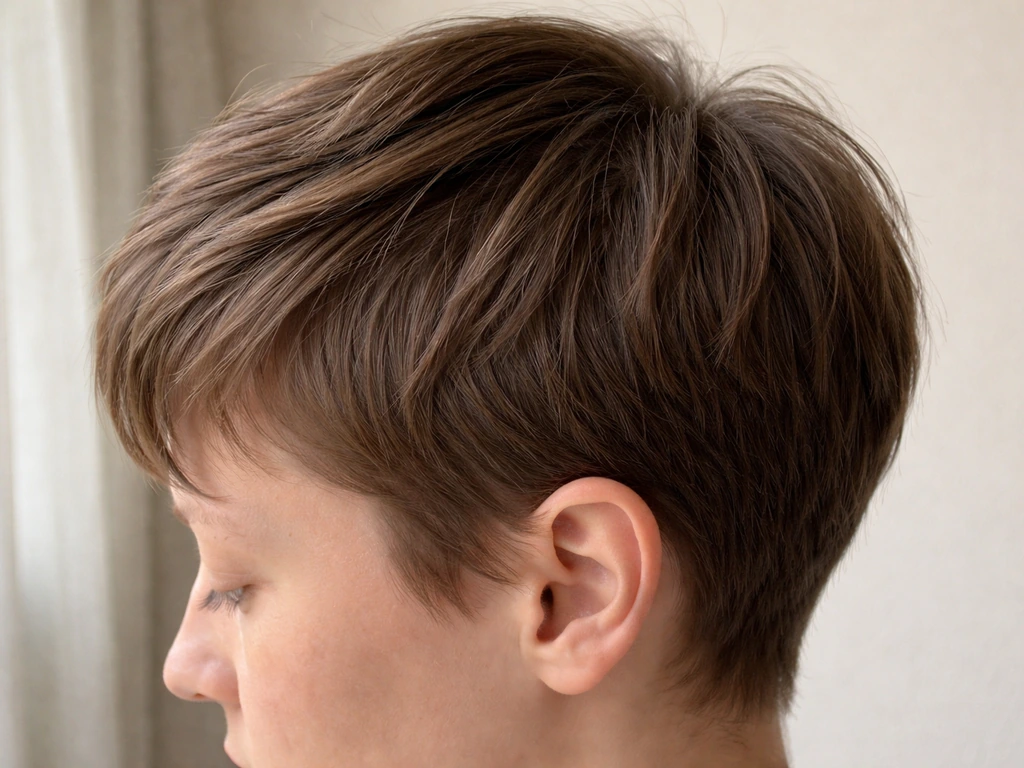
Buzz and very short pixie (under 2 inches)
At this stage, you have almost no styling options yet, and that's fine. Focus on scalp health and skin-level grooming. A light pomade or styling cream can help define what little length you have and tame any sticking-up pieces. The grow-out here is mostly a waiting game, but you can start shaping the direction your hair grows by consistently applying product and smoothing with your hands in the direction you want the hair to eventually fall. This does make a difference once you have more to work with.
Short pixie to ear-length (2–4 inches)
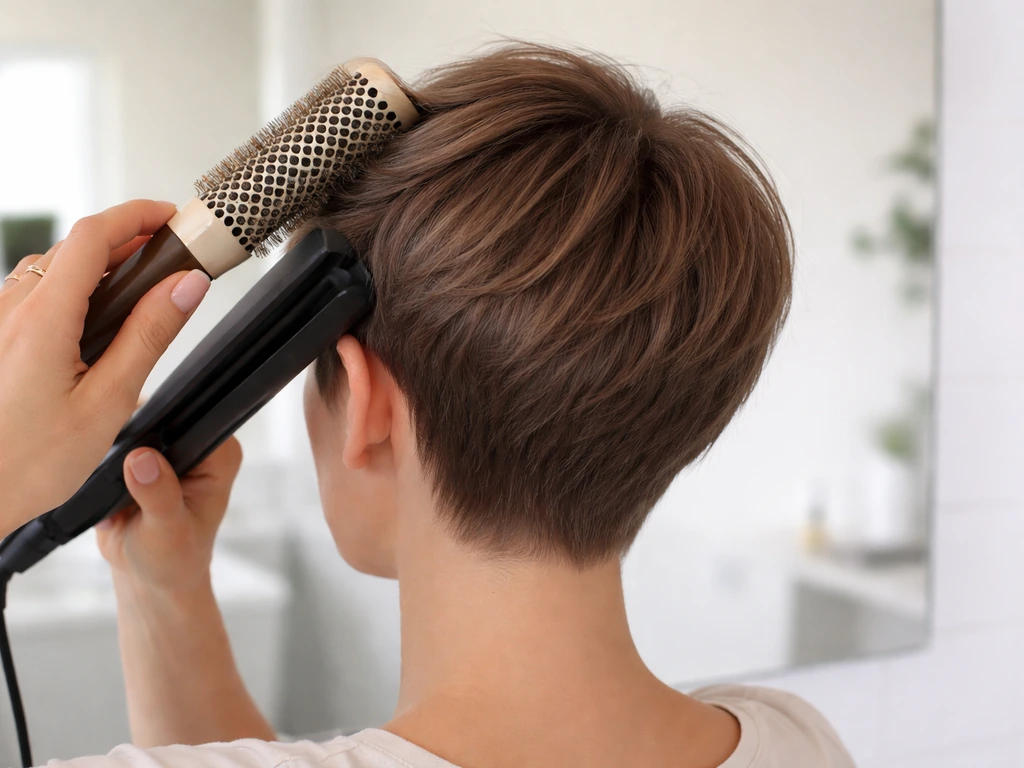
This is the stage most people find hardest, because you have enough length to look messy but not enough to style into anything intentional. The back and sides often grow at slightly different rates, which creates bulk and puffiness. A lightweight mousse applied to damp hair and then diffused or air-dried helps control volume without making fine hair stiff. For thicker hair, a small amount of smoothing cream works better. Keep the crown area tidy by applying product at the roots and pushing hair in one consistent direction while drying. Side-swept styling is your friend here because it creates the illusion of more intentional shape.
Short bob to chin length (4–8 inches)
Once you're in bob territory, you have real styling options. A round brush blowout adds polish and shape, and a flat iron can smooth out uneven texture. This is also the stage where a messy bun or half-up clip actually becomes possible, which is a huge relief during the awkward middle weeks. Use a flexible hold spray rather than a rigid one so the hair looks lived-in rather than shellacked. If your hair has natural wave or curl, this is when you can start encouraging that texture rather than fighting it. Scrunching in a curl cream and diffusing gives you a lot of shape and cover for uneven lengths.
Shoulder length and beyond
By shoulder length, you've cleared the hardest part. Hair at this length can be worn down with minimal styling, pulled into a low pony, braided, or clipped up easily. The main issue shifts from "this looks messy" to "this feels shapeless." A good blowout with a round brush, or a simple curl-enhancing routine for wavy and curly hair, is usually all you need to make it look intentional. This is also when strategic layering becomes worth requesting from your stylist, because layers now have enough length to actually fall correctly rather than just sticking out.
Managing the awkward transition problems
Cowlicks
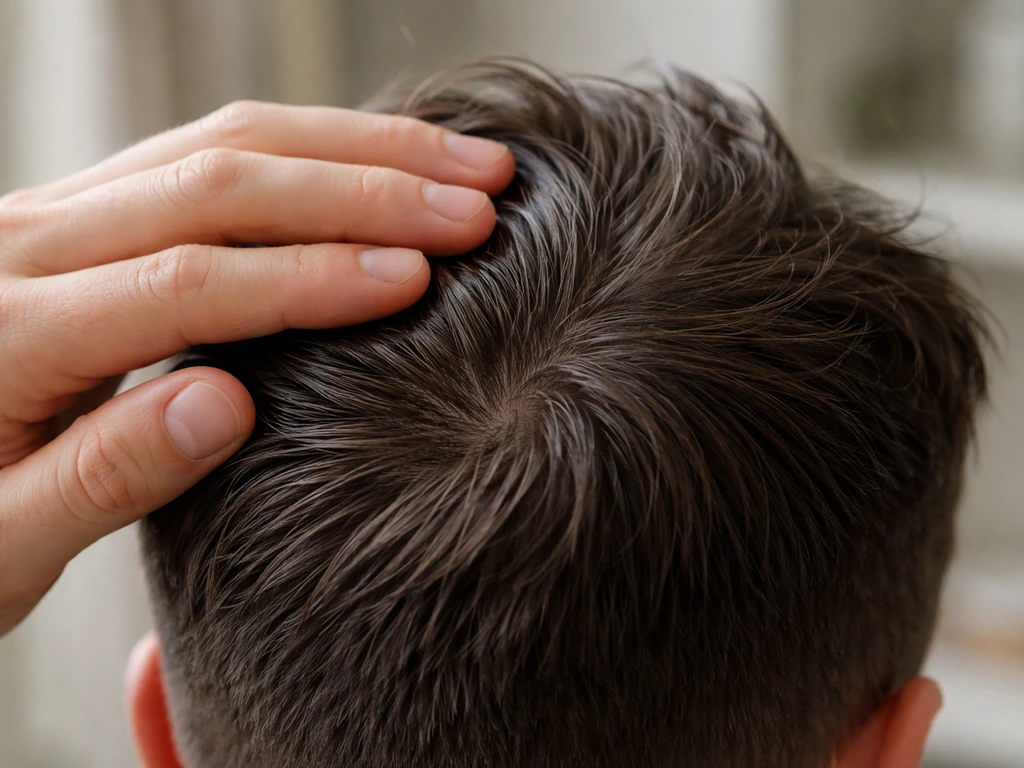
Cowlicks get more noticeable during the grow-out because the cut that used to control them is gone. The most effective approach is to always style the area while hair is still slightly damp, applying a medium-hold product directly to the cowlick and then using your blow-dryer to push the hair in the opposite direction from its natural growth pattern. Hold the dryer at the root, not the end, and finish with a blast of cool air to set it.
Allure quotes hairstylist Kristin Ess describing a blow-drying technique for cowlicks and bangs that focuses on drying and tension as the hair sets. This is the technique stylists use: work with the cowlick by physically redirecting it with heat and hold rather than trying to cover it.
If your cowlick is severe, a wrap-dry method (smoothing a section flat against the scalp with a cloth or wrap while it dries) can help train it during the first few months of growth.
Uneven lengths and bulk
Uneven lengths happen because different sections of hair grow at slightly different rates, and because the original cut had varying lengths built in. You don't need to cut everything to the shortest point. Instead, use texture spray or a small amount of paste to blend sections together visually, and style the hair so the longest pieces frame your face rather than highlighting the discrepancy. Small trims every eight to ten weeks, focused only on the heaviest or most uneven sections, help redistribute bulk without sacrificing overall length.
Flyaways
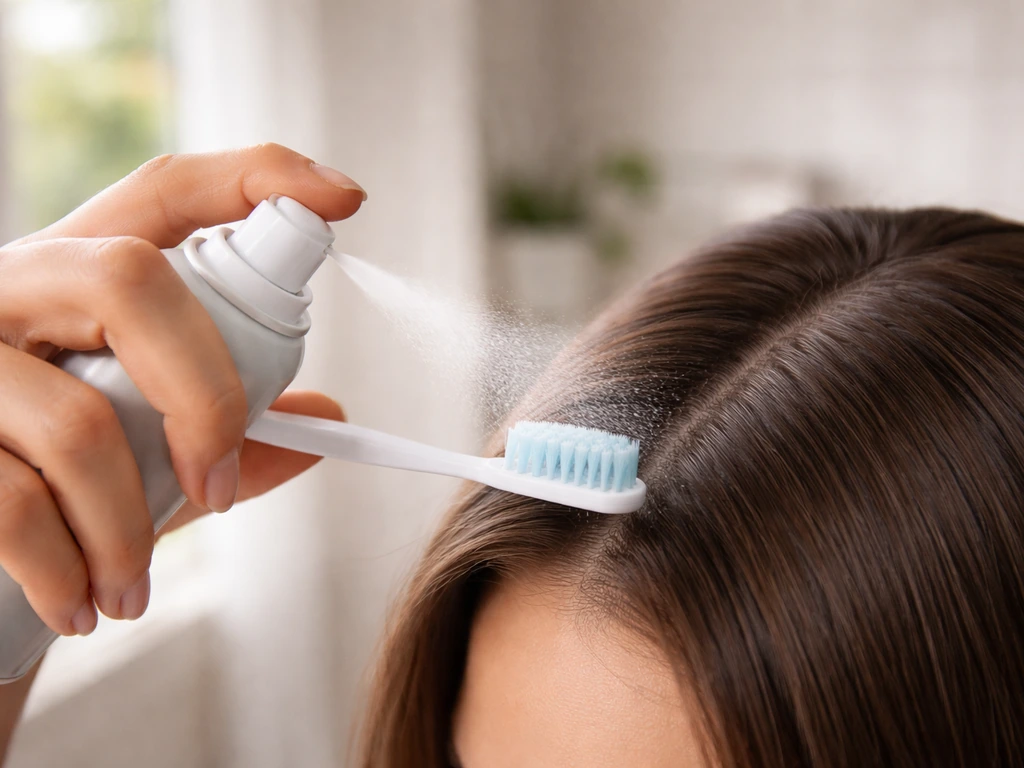
Flyaways are mostly a static and breakage issue. A light hold hairspray (sprayed onto a clean toothbrush or your palms and then smoothed over the surface of the hair) does more than spraying directly onto the hair. A few drops of hair oil or serum run over the top layer after styling also tames flyaways while adding some shine. Avoid over-brushing dry hair, which creates static and makes flyaways worse.
Bangs, layers, and undercuts while growing out
Growing out bangs
A full fringe takes roughly six to twelve months to fully grow out, based on the half-inch-per-month growth rate. During the process, the key move most stylists recommend is switching to a middle part and styling what you have like curtain bangs. This works naturally once your bangs hit the bridge of your nose.
Before that, bobby pins are your best tool: tuck the fringe to the side with two pins crossed in an X, or clip it behind the ear. Avoid the temptation to trim them into a transitional shape yourself unless you have experience. A good rule of thumb is to wait until they reach your cheekbone before asking your stylist to blend them into the rest of the cut.
Light trims every eight weeks, focused only on removing bulk rather than shortening, keep the grow-out looking more intentional.
Growing out layers
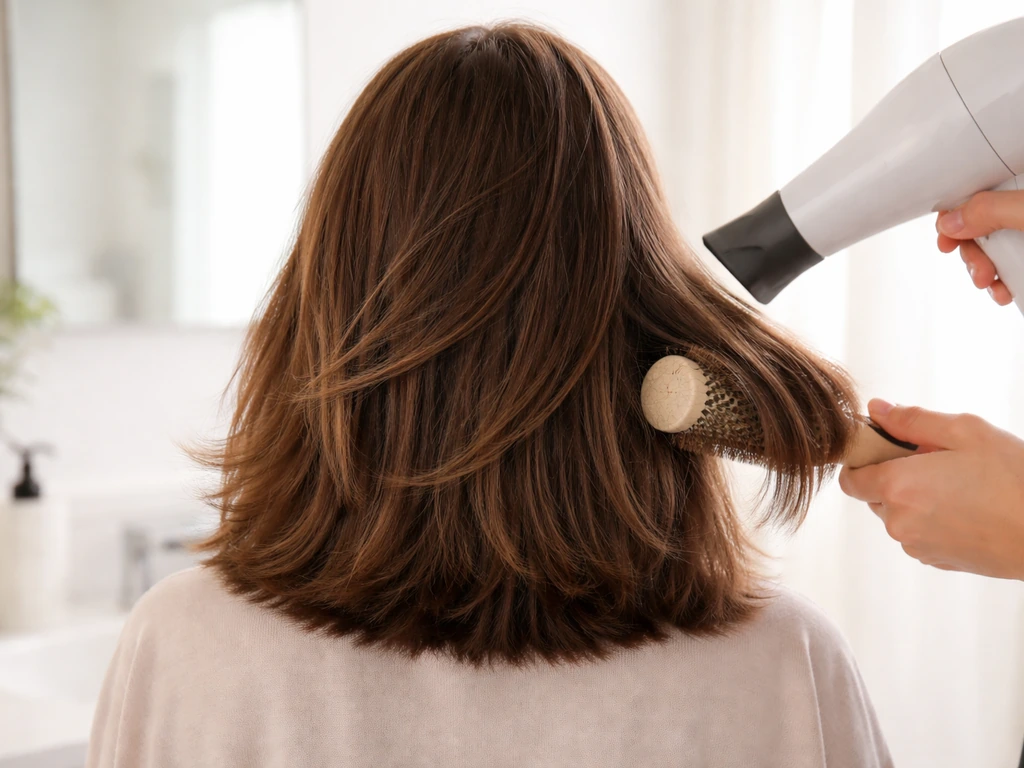
Growing out layers creates the "triangular" or puffy problem, where the bottom of the hair is shorter and thicker while the top is longer. The fix is strategic blowdrying: use a round brush to roll the bottom sections under or outward, creating a shape that looks deliberate. Don't try to grow every layer to the same length at once. Instead, ask your stylist to remove weight from the bottom sections (not length) to help the hair fall more evenly while the layers catch up.
Growing out an undercut
An undercut grow-out has its own specific challenge: the shaved or very short underneath section grows in at a different rate and texture than the longer top, creating an obvious line or ridge that's hard to hide. For as long as possible, keep the top sections long enough to lay over the growing-in area. Use a fine-tooth comb to smooth the top section flat over the shorter underneath, and set it with a medium-hold spray.
As the underneath grows in, a textured style (like loose waves or a tousled blowout) helps blend the two lengths better than anything straight or sleek. If the contrast becomes severe, your stylist can use thinning shears to soften the edge rather than cutting everything to match.
Heat styling vs. no-heat styling during the grow-out
During the grow-out, your hair is often in a vulnerable state, especially if it's color-treated or was chemically processed before. The goal is to keep the hair strong enough to actually reach your target length without snapping off. That means using heat thoughtfully rather than avoiding it entirely.
| Approach | Best for | Key tools/products | Temperature range |
|---|---|---|---|
| Heat styling | Straight, wavy, or stubborn hair needing shape | Blow-dryer with diffuser or round brush, flat iron, curling wand | 300–350°F for fine/color-treated; up to 400°F for thick/coarse hair |
| No-heat styling | Curly, coily, or very dry/damaged hair | Flexi-rods, twist sets, bobby pins, foam rollers | N/A — air dry or hooded dryer |
| Low-heat hybrid | Most hair types during active grow-out | Blow-dryer on low/medium, cool-shot button, diffuser | Below 350°F with heat protectant |
Always apply a heat protectant before using any hot tool. Dermatologists consistently recommend using the lowest effective temperature for your hair type, and for fine or color-treated hair that means staying under 350°F. Air drying when you can, and using the cool-shot button on your dryer to set style rather than continuing to blast with heat, protects the hair significantly over months of daily styling.
For no-heat curl definition, flexi-rods are a genuinely useful tool during the grow-out, especially for curlier textures. Apply mousse to damp sections, wrap onto the rods, and leave them in until completely dry, either overnight or under a hooded dryer. The size of the rod determines how tight or loose the curl will be. This method sets shape without the frizz that direct heat can cause on already textured hair.
Styling for your specific hair texture
Straight hair
Straight hair shows every uneven edge and every cowlick clearly, so smooth styling is your best camouflage during the grow-out. A blowout with a round brush gives the most polish. Use a lightweight serum to reduce flyaways and a flexible-hold spray to keep things in place. Avoid heavy pomades or thick creams, which can make fine straight hair look greasy and flat.
Wavy hair
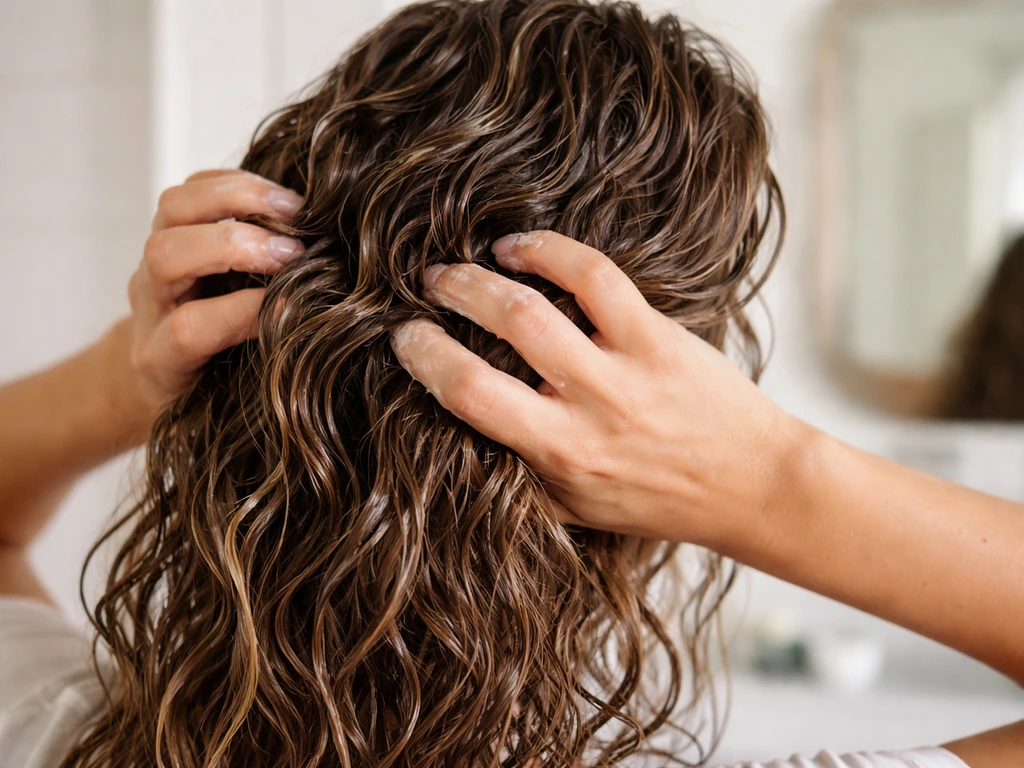
Wavy hair is the most forgiving texture during the grow-out because natural movement disguises uneven lengths really well. Scrunch in a curl cream or mousse on damp hair and let it air dry, or diffuse on low. The wave pattern you're working with may shift as the hair gets heavier, so expect to experiment with product amounts as you gain length. Plopping (wrapping damp hair in a microfiber towel) before diffusing reduces frizz without heat.
Curly hair
Curly hair shrinks dramatically as it dries, meaning your actual length is often hidden by the curl pattern. This is worth keeping in mind when you feel like your hair isn't growing: it probably is, it's just coiling back up. During the grow-out, concentrate styling product from mid-shaft to ends to define and elongate the curl rather than just piling it at the roots.
The American Academy of Dermatology also recommends applying heat protectant labeled products from mid-strands to ends with your hands to work it through concentrate styling product from mid-shaft to ends. A gel over a leave-in conditioner works well for definition.
Diffuse on low heat or air dry to preserve the curl shape. As your hair gets longer and heavier, the curls may loosen naturally, which changes what products work for you.
Coily hair
Coily textures experience the most shrinkage, sometimes 50 to 75 percent of the actual length. During the grow-out, protective styles like twist-outs, braid-outs, and flat-twist sets are genuinely useful for both styling and protecting length. Apply a generous leave-in conditioner and a curl-defining cream before setting, and leave the style in until fully dry (overnight is ideal). Avoid manipulating dry coily hair too much, as this causes breakage. Moisturize consistently because coily hair needs more moisture to stay elastic and strong during the transition.
Maintenance that keeps you on track without setting you back
One of the biggest grow-out mistakes is avoiding the salon entirely for fear of losing length. Small, strategic trims do not restart your grow-out. They remove bulk, soften awkward edges, and make the hair look more intentional at every stage, which is exactly what keeps most people from giving up and cutting it all off. Ask for a shaping trim every eight to ten weeks, and be specific: tell your stylist you are actively growing it out and that you want weight removed, not length.
Color maintenance during a grow-out is its own layer of planning. If you have permanent color, roots become visible every four to six weeks depending on how much contrast exists between your natural color and the dye. Balayage and other low-contrast techniques typically need a refresh around the ten to fourteen week mark, making them a genuinely lower-maintenance option during a long grow-out. If you're managing visible roots and want to extend the time between salon visits, a root touch-up product (spray or powder) can buy you two to three extra weeks without damage. Keep styling heat minimal on color-treated hair and use color-safe products throughout.
The most important mindset shift during the grow-out is recognizing that "styled" and "finished" look different at every stage. At two inches, styled might mean a smooth blowout with product. At five inches, it might mean a textured half-up clip. At shoulder length, it might be a loose wave set.
None of these are better or worse, they're just appropriate to where you are. The goal isn't to fake longer hair, it's to make whatever length you have right now look like a choice. If you're wondering what hairstyles when letting your hair grow out will look intentional at each length, use these stage-by-stage ideas to match your growth phase. That's what actually gets you through to the length you're after.
For more detailed guidance, see our tips on how to style short hair while letting it grow out.
If you're figuring out which specific styles work best at each checkpoint, looking at options stage by stage (from short-hair styles through the transition to longer lengths) can help you narrow down what actually suits your face shape and texture. The styling strategies here give you the technique foundation, but pairing them with a specific target style for each phase makes the grow-out feel a lot less like limbo.
FAQ
How often should I wash and style while I’m growing it out?
Use a routine based on how quickly your scalp gets oily or dry rather than the calendar. If you style cowlicks and volume areas with heat, wash often enough that product does not build up at the roots, which can weigh hair down and make the cowlick look worse. For dry or curly hair, co-wash or a gentler cleanse between full washes can reduce breakage during the transition.
What if my hair grows unevenly and one side always flips forward?
Treat it like a cowlick plus a length mismatch. Style the area that flips while hair is slightly damp, then set it with medium hold at the root (not just on top). When blowdrying, push the longer side into place first so the shorter side does not catch up visually and create extra bulk.
My hair looks greasy or flat at bob length, what’s the fix?
Switch from heavier creams to lighter, targeted application. Put product at the roots only if you need direction, then use the smallest amount of smoothing serum on the ends only. If you use mousse or curl cream, apply to damp hair and avoid reapplying after it has dried, since that often causes flatness and residue.
Can I use dry shampoo during the awkward grow-out?
Yes, but use it sparingly at the phase where flyaways and static are issues. Apply to roots from a distance and avoid rubbing, since friction increases breakage and flyaways. If you rely on dry shampoo, reduce brushing on dry hair and use a boar bristle or wide-tooth comb only when necessary.
Should I brush, comb, or finger-style for best results at different lengths?
For straight hair, minimal brushing after drying helps prevent static flyaways, finger-style is usually fine once the shape is set. For wavy and curly hair, detangle gently on damp hair and then avoid moving it too much while it dries, because extra manipulation can make curls separate unevenly and exaggerate patches.
How do I blend uneven layers without cutting everything shorter?
Use a visual blend approach. Apply texture spray or a small amount of paste to the heavier sections, then blow-dry or direct them so the longest pieces frame your face. Plan trims to remove weight from the thickest area, not to chase matching lengths across the whole cut.
What’s the best way to handle growing out bangs if mine curl upward?
Train them using direction control, not just pinning. While they’re still short, use two pins in the most secure tuck that keeps the fringe flat. Once they reach the bridge of the nose, switch to a middle part and style them like curtain bangs with a light blow-dry at the roots to encourage downward fall, finish with a cool shot to set.
Undercut grow-out is showing a clear line, how can I hide it day to day?
Keep the top sections long enough to cover the ridge, then smooth the top flat with a fine-tooth comb and set with medium hold spray. For daily blending, choose a textured finish like loose waves or a tousled blowout rather than a sleek, straight style, since texture breaks up the contrast between lengths and textures.
How do I protect color-treated hair while still styling it enough?
Aim for consistency over frequency. Always apply heat protectant, use the lowest effective tool temperature, and give hair breaks from hot tools when you’re between washes. If you notice dryness where hair breaks during styling, reduce pass count on hot tools and lean into low-heat setting (cool shot) or no-heat shaping methods like flexi-rods.
Is it normal that my curls loosen as I grow longer, and should I change products?
Yes, as hair gets heavier, shrinkage changes and curl clumps can break up. When that happens, use slightly less heavy cream and focus product from mid-shaft to ends for definition. You may also need a different gel or mousse ratio, since the same amount that worked at shorter lengths can over-soften curls later.
What’s a practical trim plan if I’m trying to keep as much length as possible?
Schedule small, focused trims every eight to ten weeks to remove bulk and soften the edges that make the grow-out look uneven. Tell your stylist you want weight removed only in the heaviest areas, not a shorter overall length. If you are growing out bangs or undercuts, bring photos of how you want them to fall at the next stage so the trim supports the transition.
Can I track progress if the hair “isn’t growing” even though it feels the same?
Measure when possible on dry hair and note texture shrinkage, especially for curly and coily types. Because shrinkage can hide true length, look for changes in how the ends behave (more weight, less bounce, different clumping) rather than only visual length. If you’re repeatedly disappointed, check that your styling direction and product type match the current phase, since shape collapse can look like stalled growth.