
The awkward phase hits when your high top locs are still sitting full and defined on the crown, but the sides and back are somewhere in between: too long to look like a clean fade, too short to blend with the top. The fix isn't to panic or immediately grab clippers. You have two real paths: keep the sides intentionally low with regular maintenance cuts while the top continues developing, or commit to a full grow-out and manage the in-between stage with smart styling until everything catches up. Both work. The key is deciding which one you're doing and building a routine around it.
High Top Dreads Grow Out Sides: Step by Step Fix Plan

Marcus Vickers
3 May 2026
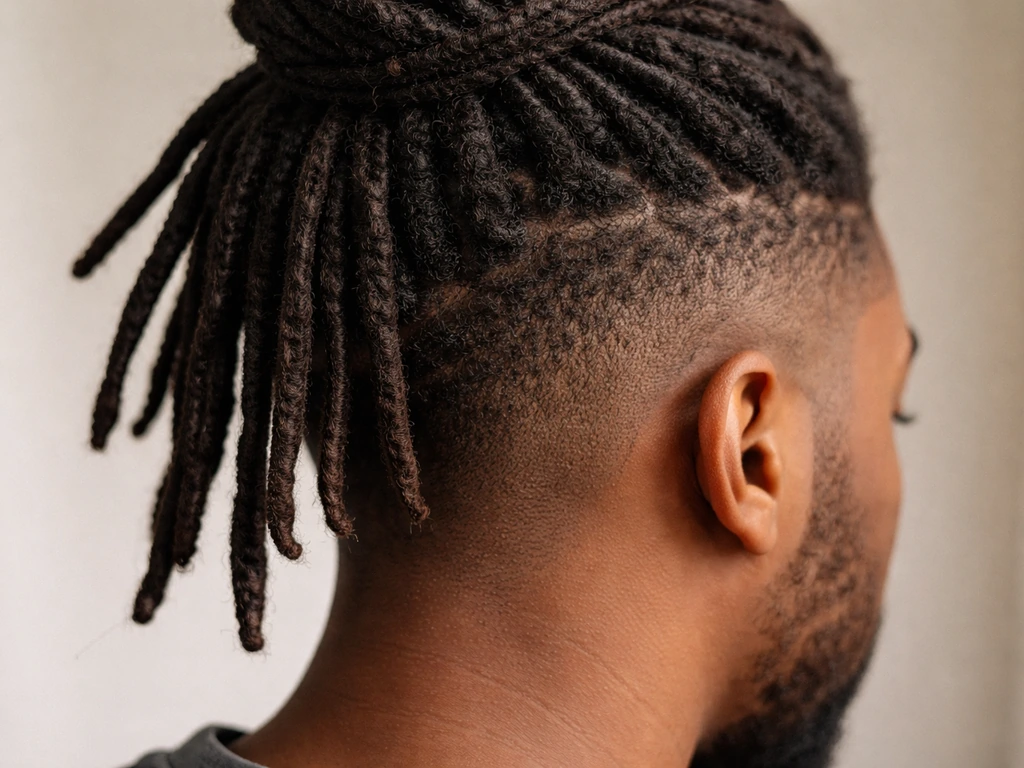
What 'High Top Dreads' and 'Growing Out the Sides' Actually Means
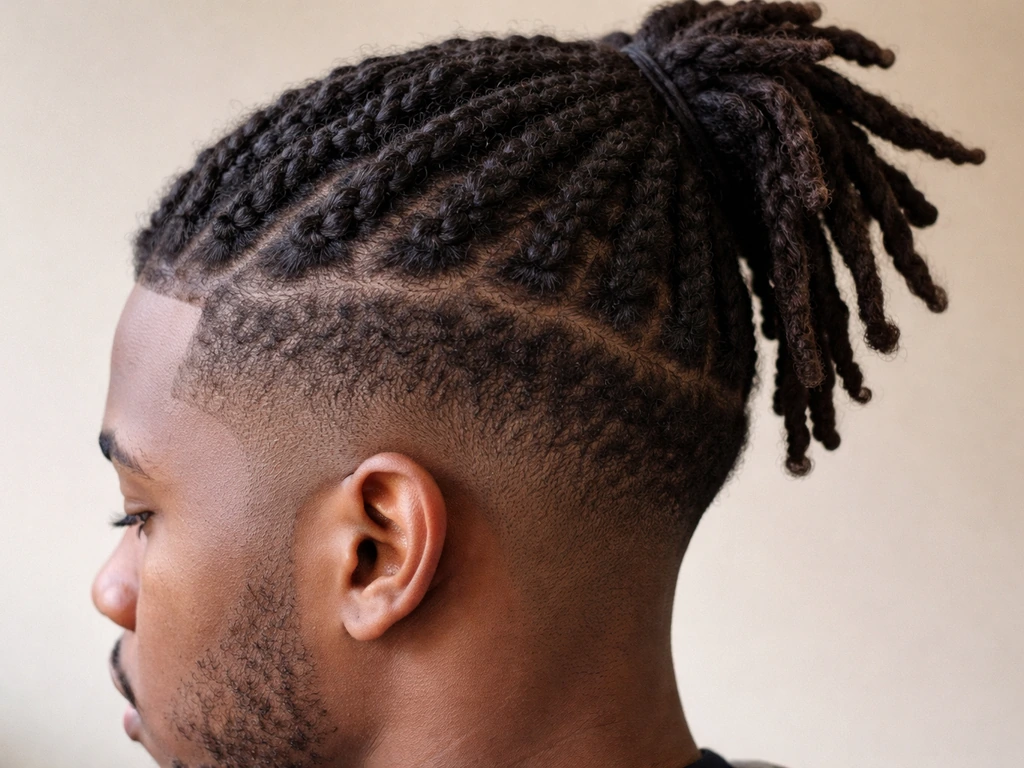
A high top dread style typically means the locs are concentrated on the crown and upper head, with the sides, back, and temple area kept shorter, faded, or undercut. Think of it as the loc version of a high-top fade: the volume and length live at the top, while everything below is close-cropped or shaved to define the silhouette. Some people have zero locs on the sides at all, just a clean fade or buzz. Others have very short starter locs or loose twists on the sides that are significantly shorter than the established top locs.
When people search for 'high top dreads grow out sides,' they're usually describing one specific frustration: the contrast between top and sides is breaking down. Maybe you've gone a few weeks without a trim and the fade is growing in. Maybe the short side locs are getting longer and starting to stick out in every direction. Whatever the specific situation, the style that once looked sharp and intentional is now looking unmanaged. That's exactly the problem this guide addresses.
Diagnosing What's Actually Happening With Your Sides
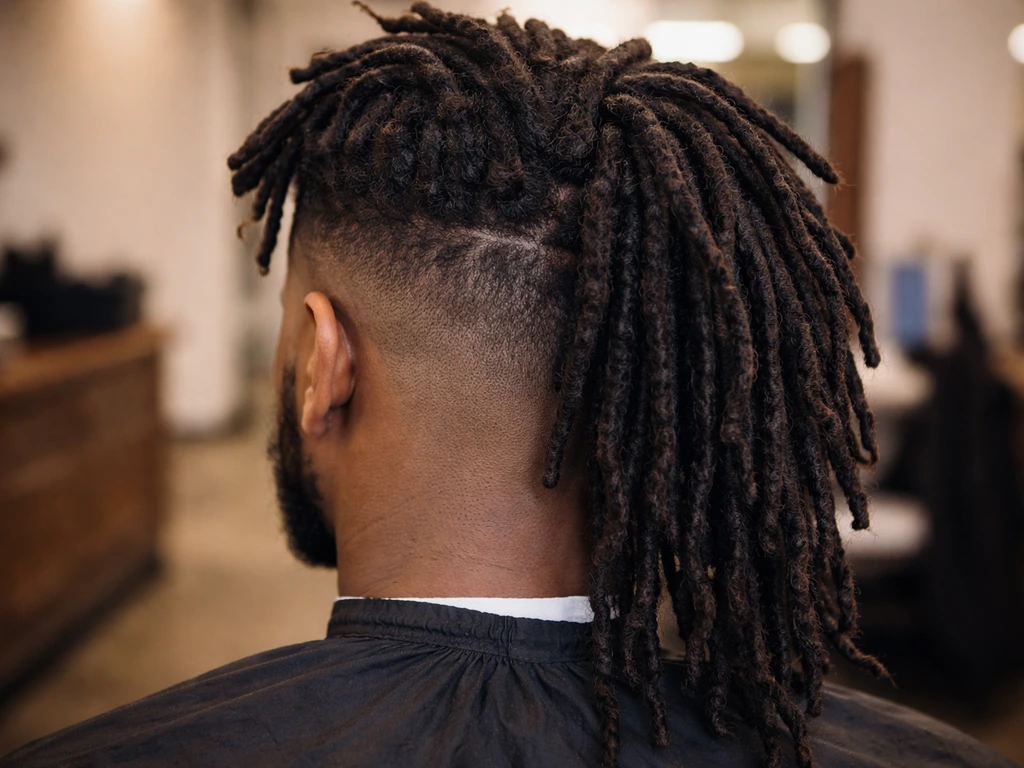
Before you do anything, get specific about what's going wrong. The problem is almost never just 'the sides are growing.' It's usually one of a few distinct issues, and the fix depends on which one you're dealing with.
- Fade/undercut growing in: The shaved or clippered area is gaining length and losing definition. The line between the fade and the locs is blurring. This is a maintenance problem, not a grow-out problem, unless you're intentionally stopping the fades.
- Short side locs getting longer but not locking: If you have starter locs on the sides, they may be reaching that in-between length where they're too long to lie flat but too young to hold a shape. This is a normal awkward stage and it passes.
- Uneven density: The sides may have thinner, patchier coverage than the top because the sections were smaller or the hair type on the sides is different (often finer at the temples). This needs a different approach than just letting things grow.
- Side locs merging or combining at the roots: As hair grows, neighboring locs start to connect at the base. This happens faster on the sides where locs are shorter and the roots have less defined separation.
- Flat spots or frizz on the sides: Shorter locs are more prone to going flat on the side you sleep on and to frizzing around the hairline and temples.
Once you know which issue (or combination of issues) you're working with, the plan gets a lot clearer.
The Decision You Need to Make First: Keep the Sides Low or Let Them Catch Up
This is the fork in the road. You don't have to decide forever, but you do need to make a choice right now so your routine matches your goal. Here's how to think about it honestly.
Option A: Maintain the Fade or Undercut
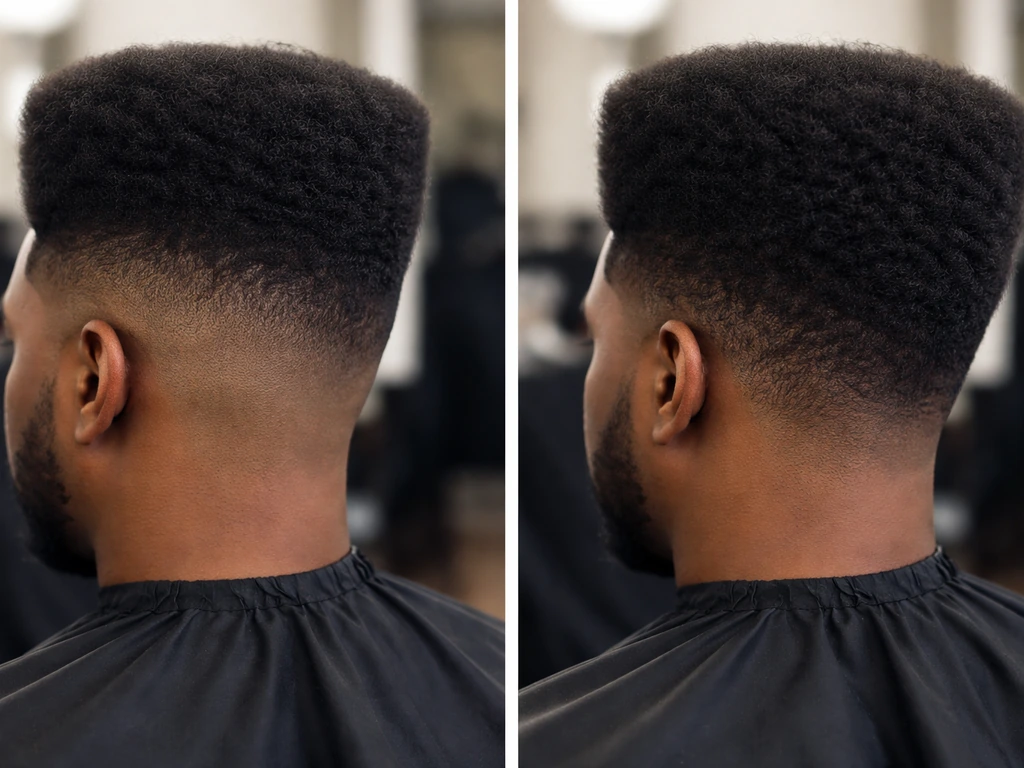
If you love the high top silhouette and want to keep it, commit to regular maintenance cuts every 2 to 4 weeks. You're not growing the sides out, you're preserving the contrast on purpose. This means clipper work on the fade, keeping the line-up clean, and potentially touching up the line where the fade meets the locs. A good loctician or barber can maintain the fade while leaving the locs untouched. This is the lower-effort styling path because the shape stays defined, but it does require showing up for those maintenance appointments consistently.
Option B: Grow the Sides Out to Match
If you want a fuller head of locs eventually, you're committing to a grow-out. If you want to know how to make your side hair grow down, the key is consistent maintenance while you let length catch up to your top locs commit to a grow-out. If your sides are currently shaved or faded with no locs, you'll need to let the hair reach at least 3 to 4 inches before it's long enough to start locking. If you already have short side locs, you're just waiting for them to develop and lengthen. Either way, you're in for several months of the sides looking different from the top, and you need styling strategies to manage that gap. The payoff is a fuller, more uniform loc style that doesn't need regular clipper maintenance.
| Factor | Keep Sides Low (Maintain Fade) | Grow Sides Out (Full Grow-Out) |
|---|---|---|
| Maintenance frequency | Every 2 to 4 weeks for clipper work | Retwist/palm roll every 4 to 6 weeks |
| Awkward phase duration | Minimal (trim keeps it clean) | 3 to 12+ months depending on hair type |
| End result | Classic high top loc silhouette long-term | Fuller, more uniform head of locs |
| Styling complexity | Low (shape is always defined) | Higher during grow-out, easier after |
| Best for | People who love the high top look permanently | People wanting a full head of locs eventually |
Your Maintenance Routine During the Side Grow-Out
Whether you're maintaining the fade or growing the sides out, the health of the locs on your sides matters more during this phase than at any other time. The CDC notes that scalp hygiene matters because the scalp produces natural oils (sebum), and healthy hygiene habits can help keep the scalp healthy Healthy Habits. Shorter locs are more vulnerable to buildup, mildew, and root merging. Here's what the routine needs to look like.
Washing Frequency
Wash at minimum once a week using a residue-free, natural shampoo. If your side locs are brand new (under 3 weeks old), wash every 3 to 4 days to keep the scalp clean without over-saturating young locs. For more established locs, once a week is the baseline. Plan on two passes with shampoo when there's any real buildup, since one rinse often doesn't cut it. Buildup on the sides is especially visible because the hair is shorter and the scalp is more exposed.
Drying: The Most Important Step People Skip
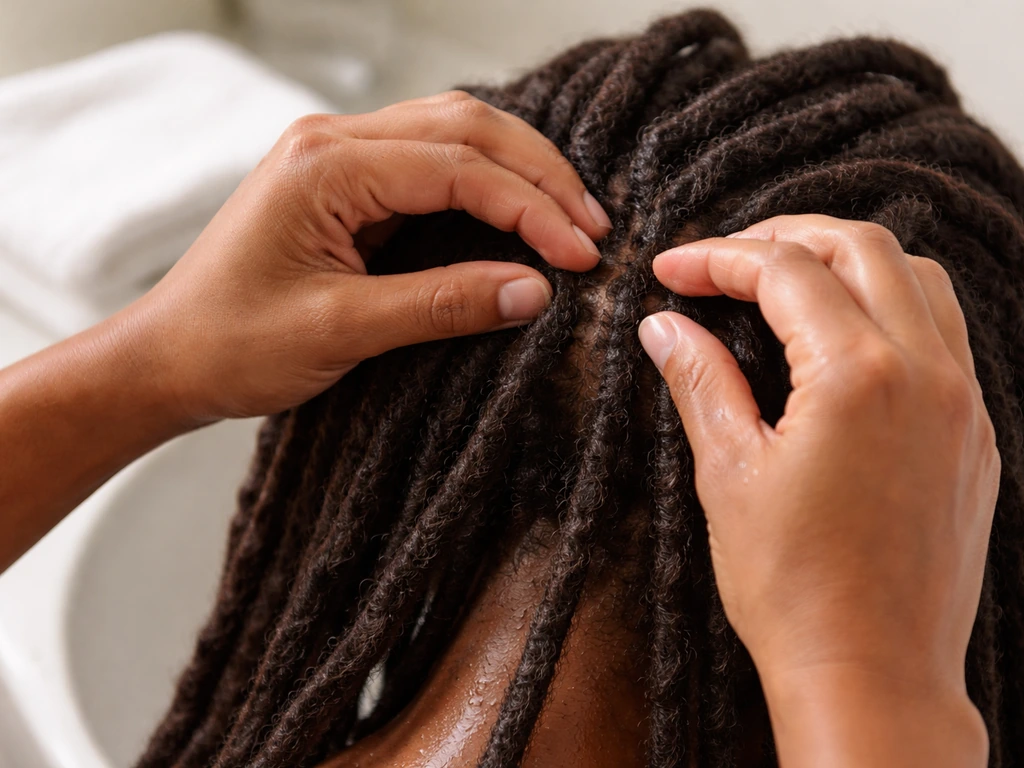
Locs that stay damp on the inside develop mildew, which causes a sour odor and can damage the loc structure. The CDC advises keeping skin clean and dry to help prevent and manage ringworm Locs that stay damp on the inside develop mildew. This is called dread rot and it's entirely preventable. After washing, squeeze out as much water as possible with a towel, pressing rather than rubbing (rubbing causes frizz and can cause neighboring locs to mat together at the roots). Your locs should be fully dry within 5 to 6 hours. If you're washing at night and going to bed, use a hooded dryer or sit in front of a fan. Humidity slows drying significantly, so factor that in during summer months or if you live in a humid climate. Shorter side locs actually dry faster than long ones, which is one small advantage during this phase.
Separating and Preventing Root Merging
As the sides grow, the roots of neighboring locs will start to combine if you're not actively separating them. Do a root check every time you wash, while the hair is still damp and pliable. Pull locs apart gently at the base with your fingers. If you feel resistance, work slowly rather than yanking. Two high-risk times for merging are in the shower (when locs are loosened by water and movement) and during clockwise scalp rubbing. Avoid rubbing the scalp in circles; use a pressing and lifting motion instead.
Retwisting and Palm Rolling
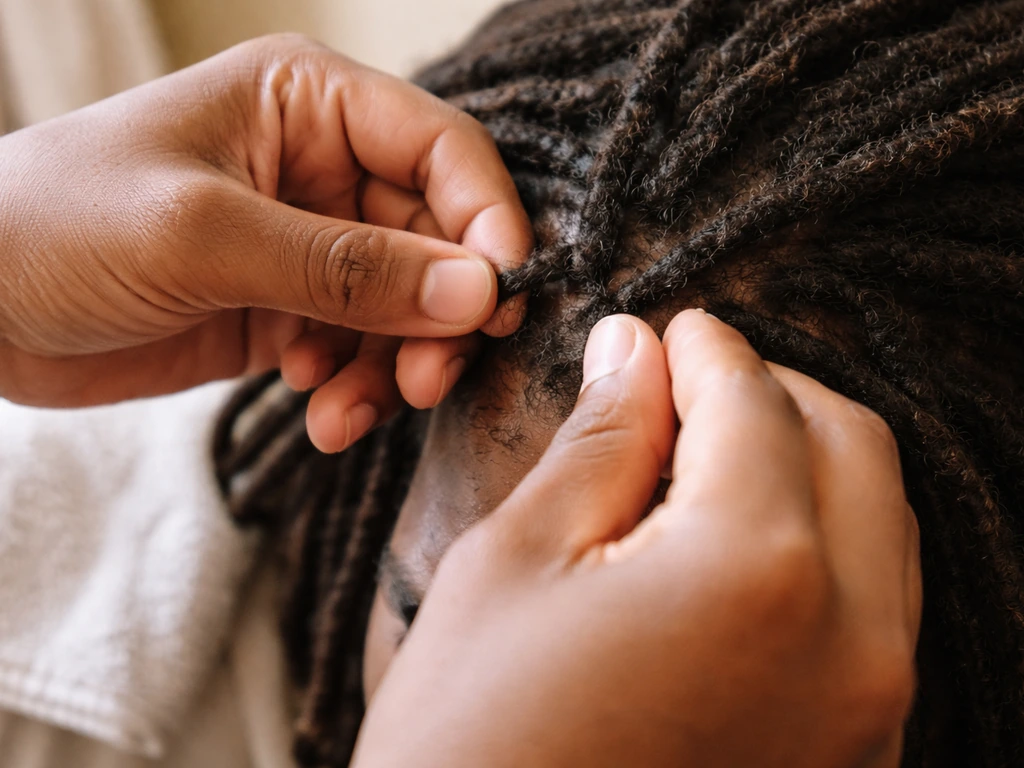
For the side locs, retwist every 4 to 6 weeks or whenever the roots have grown out noticeably (about half an inch to an inch of new growth is a good trigger). Palm rolling between retwists helps keep the cylindrical shape and smooths surface frizz. If your side locs were done using interlocking, stick with the same method for maintenance, since switching techniques mid-loc can weaken the structure. For rubber bands: if the side locs are newly started or the tips are unraveling, a snug (not tight) rubber band at the root for the first couple of months helps new growth knot in. At the tips, leave the band on until at least 1 inch below it is tight and locked.
Styling the Awkward Phase So It Looks Intentional
The goal during grow-out is to look like you made a choice, not like you forgot to get a haircut. A few techniques go a long way.
Keep the Line-Up Sharp
Even if you're fully growing out the sides, a clean edge at the hairline (forehead, temples, and neckline) makes an enormous difference. A line-up costs less than a full fade and takes 10 minutes. It signals intention even when the sides are at an awkward length. Do this every 2 to 3 weeks during grow-out.
Half-Bun and Updo Options
When the side locs are long enough to be gathered (roughly 3 to 4 inches), you can start incorporating them into half-bun styles. If you want the shaved-sides look with a longer top, mastering half-bun techniques is a great step toward a man bun you can maintain half-bun styles. Pull the top locs and the longer sides up together so the shorter back and temple sections are less visible. Half-buns work because the weight of the gathered locs sits on the head rather than pulling outward, which makes the style comfortable and keeps pressure off the roots. This is a genuinely useful everyday option for the 3 to 8 month phase.
Use Parts and Sections to Your Advantage
A defined part (either a hard part cut in by a barber or a natural part in the locs) creates visual structure that distracts from uneven length. A deep side part on the fuller side can make the overall style look more deliberate. Experiment with pulling the top locs forward, back, or to one side to shift the visual focus away from the growing-out sides.
Accessories That Work
Headbands (especially wide ones or loc-specific wraps) sit right at the line where the top locs meet the shorter sides, which effectively camouflages the length transition. Durags and loc socks are useful at night to prevent frizz and flattening, but they also work in a pinch as a daytime styling choice. Hats are the most straightforward camouflage tool and can carry you through the worst weeks of the grow-out without any effort.
Temporary Two-Strand Twists on the Sides
If you have loose hair growing in on the sides (not yet locs), two-strand twists are one of the best temporary options to keep things looking neat while the hair works toward loc-able length. They last 2 to 4 weeks and can be re-done easily. They also help the hair start to train into sections that will eventually become locs.
When to Trim or Blend: What to Ask Your Loctician
Not every visit needs to be a full maintenance session, and not every length problem needs to be solved with scissors. Here's how to think about touch-ups during grow-out.
- Line-up only: If the sides are growing but you want to preserve the overall shape, ask for a line-up without any clipper work on the fade. This cleans the perimeter without committing to maintaining the fade.
- Blend, don't fade: If you've decided to grow the sides out but they're at an awkward length (neither short nor matching the top), ask for a blend instead of a fade. A blend gradually tapers the side length without cutting it as close, which makes the grow-out look more seamless.
- Retwist the side locs only: You don't need to retwist your whole head every time. Ask your loctician to focus the session on the sides and back if those are the areas showing new growth and frizz.
- Do not split established locs to adjust density: If the sides look thinner or patchier than the top, the instinct might be to split the top locs to thin them out and match. This is risky. Splitting can weaken the loc structure and create uneven sections. Address density differences by adjusting the parting pattern during the next retwist instead.
- Ask about trimming only the tips on the sides: If side locs are unraveling at the ends, trimming just the tip (not the length) can clean them up. This is a minor adjustment, not a length cut.
When you walk into the appointment, be specific. Say something like: 'I'm growing the sides out to match the top. I want to keep the line-up clean but leave the fade to grow in. Can we do a retwist on the sides and a shape-up on the hairline?' The more specific you are, the less likely you are to walk out with more off than you intended.
What to Expect at Each Stage of the Grow-Out
Timelines vary based on hair type, the installation method used, how the sides were maintained before, and how consistent you are with your routine. But here's a realistic stage-by-stage breakdown for most people growing out shaved or faded sides to match high top locs.
| Stage | Approximate Timeline | What's Happening | What to Do |
|---|---|---|---|
| Starting point: shaved or faded sides | Week 0 to 4 | Sides are clearly shorter than the top. The contrast is still clean but starting to soften as the fade grows in. | Decide: maintain or grow out. If growing out, get a final clean line-up and stop clipper fades from here. |
| Early grow-in: loose hair on sides | Month 1 to 3 | Sides have visible hair but it's too short to loc. May look patchy, bristly, or uneven at the temples. | Use two-strand twists, keep the line-up sharp, wear headbands or caps during the worst weeks. |
| Starter loc stage on sides | Month 3 to 6 | Side hair is long enough to start locking. New locs are loose, frizzy, and don't match the mature top locs in texture or thickness. | Begin rubber bands at roots and tips if needed. Retwist every 4 to 6 weeks. Palm roll between sessions. Wash every 5 to 7 days and dry fully within 6 hours. |
| Active awkward phase | Month 6 to 12 | Side locs are defined but significantly shorter and less mature than the top. The height difference is most obvious. Shrinkage is real here. | Lean into half-bun styles, use defined parts, keep accessories in rotation. Separate roots every wash day to prevent merging. |
| Convergence phase | Month 12 to 18+ | Side locs are catching up in length and maturity. The transition between sides and top starts to look more intentional. | Start experimenting with styles that incorporate all locs together. A single blended retwist session can help unify the look. |
| Full integration | Month 18 to 24+ | Sides and top are close enough in length and maturity that the style reads as a unified head of locs. | Maintain as a full set. The high top shape can still be preserved with updo styling rather than clipper work. |
These timelines assume about half an inch of growth per month, which is the average for most hair types. If your hair grows faster (closer to three quarters of an inch per month), compress the timeline by about 20 to 30 percent. If you have finer hair at the temples or experience significant shrinkage in the early loc stages, the awkward phase can stretch longer. Shrinkage is not a sign that something is wrong. It's normal for locs to appear shorter as they tighten, and length will return as the loc matures and elongates.
Common Grow-Out Problems and How to Avoid Them
A few issues come up repeatedly during this specific grow-out situation, and most of them are preventable.
- Sides merging awkwardly with the top: This happens when root separation is neglected. Check and separate roots every wash day while locs are damp. A rubber band at the base of each side loc during the early months helps maintain section boundaries.
- Lint buildup in shorter side locs: Short locs catch lint faster than long ones, especially if you wear hats or sleep without a satin bonnet or durag. Switch to a satin pillowcase and cover your hair at night. Lint is much harder to remove once embedded in a mature loc.
- Flat spots from sleeping: Short side locs get flattened easily. A satin bonnet or durag at night maintains shape. If a flat spot develops, mist the area lightly with water, palm roll, and allow to dry fully.
- Odor from incomplete drying: Shorter locs can trap moisture at the root against the scalp. Make sure you're drying within 5 to 6 hours after every wash. If you're in a humid environment, use a hooded dryer or a fan directed at the sides and back.
- Patchy density: If the sides look thin compared to the top, resist the urge to start locs over or combine sections. Let existing locs mature and fill in. Patience plus consistent retwisting fills out density over time.
If you're also thinking through related decisions like whether to grow your sides out at all, or how to handle growing a specific style with shaved sides, those questions connect directly to what you're navigating here. The underlying logic is the same: pick a direction, build the routine to match, and manage the in-between with intention rather than frustration.
Your Next Steps This Week
Here's what to actually do in the next 7 days, not eventually, right now.
- Make the decision: Are you maintaining the fade or committing to grow the sides out? Write it down if you need to. Your whole routine changes based on this answer.
- Assess your sides: Look at the mirror and identify which problem you're dealing with (loose grow-in, starter locs in awkward phase, uneven density, or root merging). Each needs a different immediate action.
- Book a loctician appointment if you haven't had one in over 6 weeks: Get a line-up, a root separation, and a retwist on the sides. Tell them your plan so they don't over-trim.
- Set up your wash day routine: Pick a day this week to wash. Use a residue-free shampoo, squeeze (don't rub) dry, separate roots while damp, and make sure everything is fully dry within 6 hours.
- Get a satin pillowcase or durag if you don't have one: This is the easiest single thing you can do today to protect the shape of your shorter side locs.
- Choose one styling tool for the awkward phase: A wide headband, a fitted cap, or a half-bun setup. Have it ready for the days when the sides look their worst so you're not making impulsive decisions with scissors.
The awkward phase with high top dreads is real, but it's also temporary and very manageable. The people who come out the other side with a great-looking full set of locs are the ones who made a plan, stuck to a routine, and resisted the urge to grab clippers every time things looked a little rough. You've got this.
FAQ
What should I tell my barber if I’m growing the sides out but they keep wanting to clip too much?
If your side locs are already locking, do not try to “line them up” by cutting pieces individually. Instead, ask for a root-level tidy, like separating merged sections and shaping the edge only at the hairline (temples and neckline). This avoids creating short, uneven loc stubs that can never catch up cleanly to the crown.
How can I prevent mildew and dread rot during the grow-out when my sides take forever to dry?
Aim for a “squeeze then fan” routine after every wash. Press dry with a towel (don’t rub), then blow air across the roots for quicker inside drying, especially on the sides where humidity lingers. If you cannot fully dry within 5 to 6 hours, postpone sleeping without airflow, because damp roots are when odor and rot start.
Can I change my plan midway, for example stop maintaining the fade and finally grow the sides out?
Yes, you can switch from maintaining a fade to a full grow-out later, but do it deliberately. Once you stop trimming, commit to the next 8 to 12 weeks of styling and hygiene to manage the mismatch, and expect that any previously shaved sections may take longer to loc compared with existing crown locs.
My side hair is not loc yet. Should I twist it more often to make it lock faster?
A good rule is to avoid “pushing” new growth into the locs before it is ready. If your sides are still loose hair and you want them to lock, keep the scalp clean, then use consistent two-strand twists only at re-twist intervals (about every 2 to 4 weeks) rather than twisting daily, which can cause breakage and uneven budding.
How do I know whether to wash my side locs more or less during the awkward phase?
Wash frequency should track how quickly buildup forms, not the date of installation. If your sides itch quickly or feel tacky, increase wash frequency temporarily (for example, every 3 to 5 days) and rinse thoroughly, then return to a weekly baseline once buildup slows.
Why are my side locs getting frizzy or mushy right after washes even when I’m careful?
If you get frizz or locs feel rubbery after washing, it usually means they are not drying fully or they are being manipulated while damp. Focus on pressing dry, separating gently at the base only while damp, then let them fully dry before retwisting or palm rolling.
What’s the best way to handle locs starting to merge on the sides without damaging them?
If merging is starting, you have two options: immediate gentle separation at wash time when the hair is still pliable, or a loc professional session if sections are already bonded near the root. Once locks are fully fused and tight, trying to yank them apart yourself can break the loc or thin the roots.
How tight should I wear a half-bun so it helps hide the awkward side lengths without harming my roots?
If you are using half-buns, gather the sides and top together but do not compress the roots with a tight band. Use a soft tie or scrunchie and keep the style “supportive,” so the locs rest on the head rather than pulling outward and stressing the temple area.