
Whether your widow's peak has thinned out, disappeared after years of tight hairstyles, or you're just trying to understand why it looks different than it used to, the honest answer is: it depends on the cause. If the follicles are still alive and unstressed, yes, regrowth is very possible and there are real things you can do today to speed it along. If the loss comes from genetics or scarring, the picture is more complicated, but you still have options worth knowing about. This guide walks you through exactly how to figure out what you're dealing with, what actually helps, and how to look good while your hairline does its thing.
How to Grow Back a Widow’s Peak: Fast, Safe Steps

Marcus Vickers
30 Apr 2026
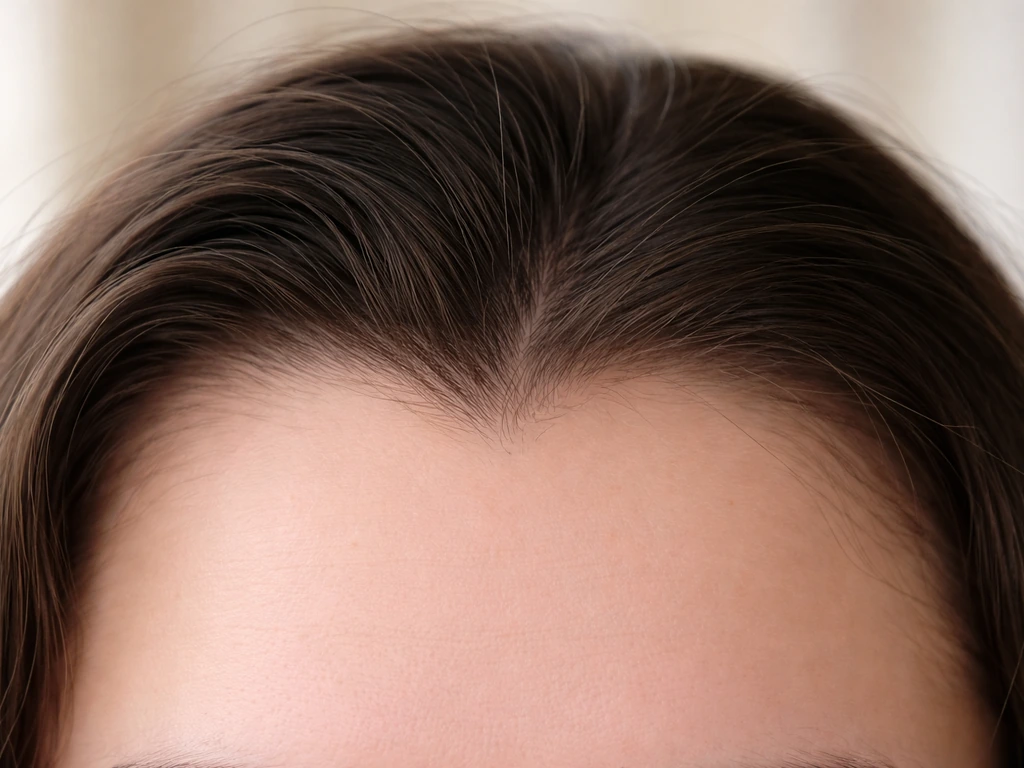
What a widow's peak actually is (and when it's not just your natural shape)
A widow's peak is a natural V-shaped point of hair that forms at the center of your forehead hairline. It's genetic, and it's completely normal. Some people are born with a very pronounced one; others have a subtle dip. The shape is determined by how your hairline follicles are arranged, and that arrangement is hardwired from birth.
The confusion usually starts when people notice their peak looks less defined than it used to, or the sides of the hairline around it have started to recede. That's a different problem than the peak itself. In reality, what most people are asking when they search 'how to grow back my widow's peak' is: why does my hairline look thinner or further back than before, and can I fix it? Answering that correctly requires figuring out the cause first, because the approach changes completely depending on what's actually going on.
A few common culprits: years of tight ponytails, braids, or buns can pull at the frontal hairline and reduce density around the peak (this is traction alopecia). Chronic over-plucking of stray hairs near the hairline can thin it out too. Hormonal changes, nutritional dips, or a stressful event a few months back can trigger temporary shedding. And in some cases, what looks like a widow's peak 'disappearing' is actually early androgenetic hair loss, where the hairline gradually recedes at the temples while the central peak point stays put longer, making the V shape more prominent before those hairs eventually thin as well.
Why widow's peaks don't always just 'grow back'
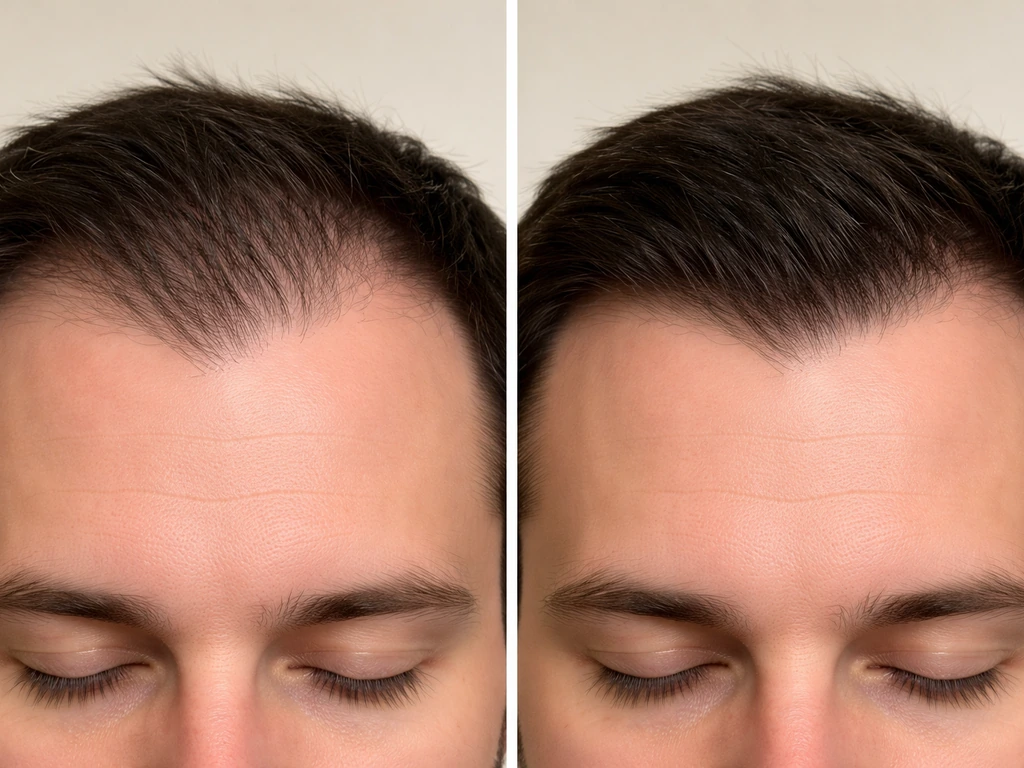
This is the part most articles skip, and it matters. Hair regrowth at the hairline follows completely different rules depending on what caused the loss in the first place. There are essentially four categories.
Traction and styling damage
This is actually good news territory. Early traction alopecia, the kind caused by tight hairstyles pulling at the hairline repeatedly over time, is a non-scarring process in its early stages. Follicular openings are still present. The hair is stressed, not dead. Stop the tension, give the scalp some care, and those follicles can and do bounce back. The catch is if traction continues long enough, it progresses to scarring alopecia, at which point follicles are permanently destroyed. Early signs to watch for: folliculitis (little red bumps), hair casts (white sheaths on the hair shaft near the root), reduced density at the frontal and temporal hairline, and broken hairs. If you see those signs and you're still wearing tight styles, that's your signal to stop now.
Telogen effluvium (stress, illness, or nutritional crash)
Telogen effluvium is when a large number of hairs shift from the growth phase into the resting and shedding phase at once, usually triggered by physical or emotional stress, illness, surgery, crash dieting, or a hormonal shift. The tricky part is the timing: shedding typically shows up 2 to 3 months after whatever triggered it, so by the time you notice the thinning you might have already forgotten the stressor. The mostly-good news is that once the trigger is addressed, hair generally grows back within 3 to 6 months on its own. Acute telogen effluvium usually resolves in under 6 months. This type can absolutely affect the hairline, including around a widow's peak.
Androgenetic hair loss
This is the trickier one. Androgenetic alopecia (AGA) is driven by DHT shrinking follicles over time, progressively shortening their growth phase until hairs become so fine they're effectively invisible. The follicle isn't dead in the early stages, but it's miniaturizing. This type follows a genetic script, and the follicle's susceptibility is baked into its DNA. So while treatments like minoxidil can slow or partially reverse miniaturization, you're managing the condition, not curing it. If AGA is what's changing your hairline shape, that context matters for setting expectations.
Scarring alopecia
Scarring alopecias, including frontal fibrosing alopecia (FFA), are the most serious category. FFA causes permanent destruction of follicles in the frontal hairline and eyebrows, leaving atrophic, pale skin with no follicular openings. Here the goal shifts from regrowth to stopping progression early, because once follicles scar over, regrowth isn't possible in those specific spots. Early diagnosis and prompt treatment are essential. FFA is diagnosed via physical exam and skin biopsy, and starting treatment before irreversible scarring is exactly why seeing a dermatologist quickly matters for this one.
The fastest safe ways to support hairline regrowth
If you've ruled out scarring (or you're in early stages of traction damage), here's what actually moves the needle. These aren't magic, but they're real and they work together.
Stop the damage first
If tight hairstyles are part of your routine, loose styles are non-negotiable right now. Switching from a tight ponytail or slick bun to looser options immediately removes the primary stressor. This single change has more impact on hairline recovery than any product you can buy. Same goes for over-plucking: those follicles need a break, and repeated damage can scar them over time.
Scalp massage
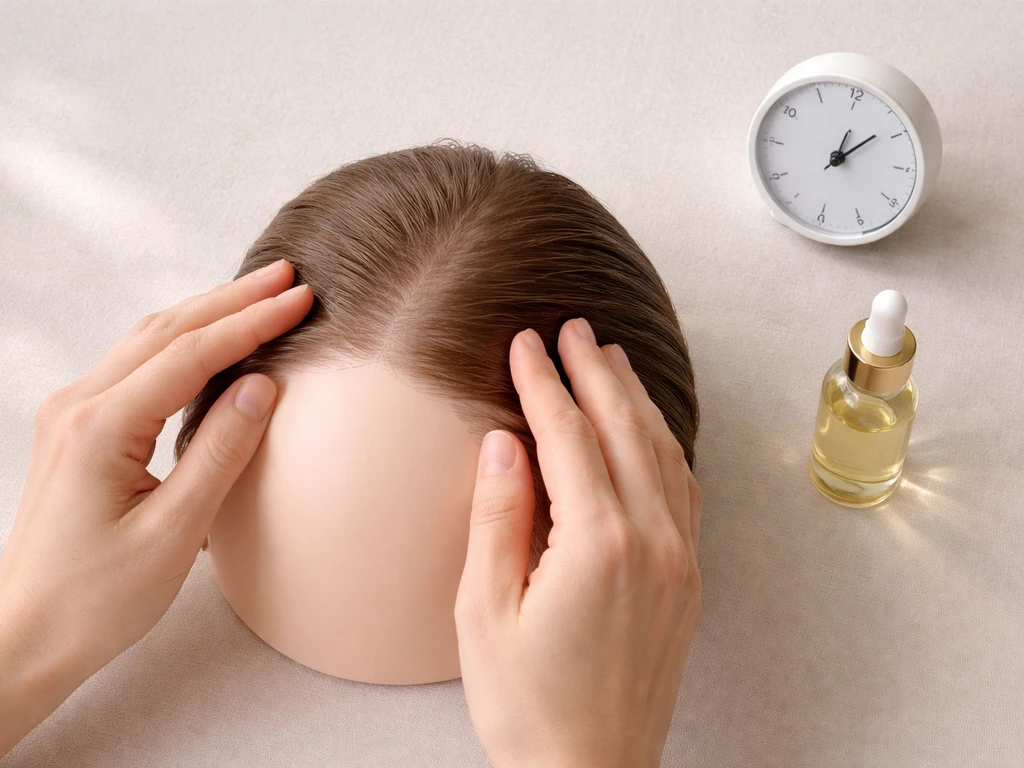
A consistent scalp massage routine increases blood flow to follicles and reduces scalp tension, both of which matter for the hairline specifically. Aim for 4 to 5 minutes of firm fingertip pressure daily, working along the frontal hairline and temples. You don't need an oil for this to work, but a few drops of carrier oil (like jojoba or castor) can make it easier and adds a light moisturizing benefit to the scalp.
Nutrition and addressing deficiencies

Hair is one of the first things to suffer when your body is running low on something. Iron deficiency is a particularly common driver of hairline thinning, especially in menstruating people. Ferritin levels (stored iron) are often the missing piece. Zinc, vitamin D, and protein are also worth checking if you've had significant shedding. The most useful thing you can do here is get bloodwork done rather than guess, so you're addressing an actual deficiency rather than supplementing blindly. A good diet rich in protein, leafy greens, eggs, and healthy fats covers the basics while you wait for lab results.
Gentle scalp care
A clean, low-inflammation scalp is a better environment for growth. Wash regularly enough to prevent product and sebum buildup, which can clog follicles. Avoid very hot water directly on the hairline, and keep styling products that sit on the skin (like edge control, gels, or hairspray) light and well-cleansed. If you notice persistent scalp irritation, flaking, or redness along the hairline, that's worth treating before anything else.
Hair growth accelerators: what the evidence actually says
There's a lot of noise in this space. Here's an honest breakdown of the main options.
| Option | Evidence Level | Best For | Key Caution |
|---|---|---|---|
| Minoxidil (topical) | Strong for AGA; moderate for other non-scarring types | Slowing/reversing miniaturization in androgenetic hair loss | Requires continuous use; hair loss resumes if stopped; avoid on irritated/infected scalp |
| Microneedling | Promising; combination with minoxidil shows superior hair counts vs minoxidil alone | Boosting absorption of minoxidil and stimulating follicles | Do not use on inflamed or infected scalp; professional guidance recommended for hairline use |
| PRP (platelet-rich plasma) | Emerging; meta-analyses show improvement in hair density but study quality varies | Non-scarring alopecias; often used as a clinical add-on | In-office procedure; multiple sessions needed; results vary |
| Low-level laser therapy (LLLT) | Moderate; RCTs show benefit in AGA, particularly for hair count | Mild to moderate androgenetic hair loss | Requires consistent long-term use; devices vary in quality |
| Saw palmetto | Limited but some positive RCT data in AGA (oral and topical) | Mild AGA as a gentler alternative or complement | Evidence less robust than minoxidil; consult provider |
| Biotin supplements | Weak; no evidence of benefit without confirmed deficiency | Only if deficiency is confirmed by bloodwork | Biotin deficiency is rare; supplementing without deficiency has no proven benefit and can skew lab results |
| Oral/topical finasteride | Effective for AGA in males; evidence in females more limited | Androgenetic hair loss (primarily male pattern) | FDA has flagged safety concerns with compounded topical finasteride; pregnancy risk; prescription only |
Minoxidil is the most validated non-prescription option. For androgenetic loss, studies show 5% concentration tends to outperform 2%, and once-daily 5% foam has shown similar results to twice-daily 2% solution. The honest caveat: clinical trial data shows regrowth benefits may not persist beyond about 48 weeks without continued use, and stopping minoxidil causes the hair that regrew to shed again over time. It's a management tool, not a one-time fix. Don't start it if you have scalp inflammation, a skin infection, or haven't yet figured out what's causing your loss, because it shouldn't be the first step when the cause is unclear.
Microneedling is genuinely interesting. A randomized trial found that combining weekly microneedling with twice-daily minoxidil produced better hair count outcomes than minoxidil alone over 12 weeks. If you're already using minoxidil for AGA, adding a dermaroller (0.5 to 1.5mm) to your routine is worth discussing with a dermatologist. Just be careful at the hairline specifically, go gentle, and don't use it on any area that's actively irritated.
How to style your hairline while it grows back
The waiting period is real, and it's awkward, but there are strategies that make it look intentional rather than in-progress. If you want to go from a shorter, sharper TWA to a fuller look, focus on scalp care, gentle styling, and patience while your hair transitions through each regrowth phase how to grow out TWA. This is honestly a lot of what this site is about: looking confident during the transition, not just at the destination.
Bangs and fringe
A soft curtain bang or wispy fringe is probably the most effective styling move you have right now. It covers the frontal hairline while your edges fill in, requires minimal styling, and looks intentional. If you're nervous about committing to a full bang, a side-swept fringe that breaks over the temple where density is thinnest can camouflage hairline gaps without obscuring your whole forehead.
Parting changes
Moving your part away from a thinning area is a simple, zero-product fix. A deeper side part or a soft zigzag part adds volume and redirects attention. If you've been wearing a centered part for years and your peak is at the center, try shifting even slightly and see how it redistributes density visually.
Blending and haircut strategies
Keeping hair slightly longer at the temples and frontal hairline (rather than cutting very close) helps camouflage thinner areas as they fill back in. Ask your stylist for a haircut that keeps weight around the hairline rather than removing it. Avoid tight fades or razored hairlines right now; they make thinning edges more visible, not less. If you're growing out something like an undercut or fade, the same principles apply: work with length rather than against it. If you're growing out something like an undercut or fade, the same principles apply: work with length rather than against it grow out tapered hairline. The process of growing out a tapered hairline has a lot of overlap with what you're doing here.
Products and tools
- Tinted root sprays or hair fibers can fill in sparse spots along the hairline visually, great for photos or days when the gap feels obvious
- A light volumizing mousse or spray applied to roots adds the illusion of thickness
- Avoid heavy waxes or gels along the hairline; they emphasize thinness rather than mask it
- Hats and headbands are completely valid tools during the regrowth phase, just opt for loose-fitting styles that don't add new tension at the hairline
Realistic timelines: what to expect and when
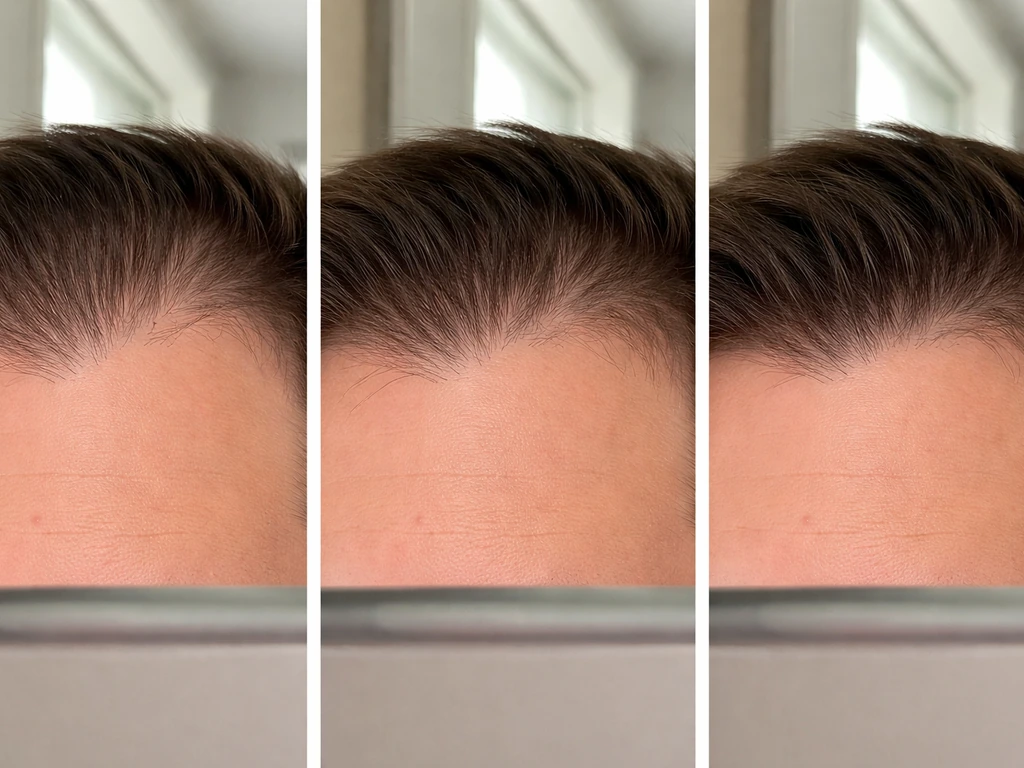
One of the most frustrating things about hairline regrowth is that it's genuinely slow. Here's an honest breakdown by cause:
| Cause | When You Might See Change | What to Expect |
|---|---|---|
| Telogen effluvium | 3 to 6 months after addressing the trigger | Full regrowth likely; new baby hairs visible first, then gradual thickening |
| Early traction alopecia | 2 to 4 months after stopping tension | Density improves; regrowth is solid if no scarring has occurred |
| Advanced traction/scarring | Variable; some improvement possible if caught early enough | Permanent loss in scarred areas; border zones may partially recover with treatment |
| Androgenetic alopecia | 3 to 6 months for initial minoxidil response; ongoing management required | Stabilization and partial thickening; not a full reversal; requires continuous treatment |
| Nutritional deficiency | 2 to 4 months after correcting the deficiency | Shedding slows first, then density gradually improves over following months |
| Frontal fibrosing alopecia | Early treatment may slow progression; no regrowth in scarred areas | Goal is halting loss; some patients see partial stabilization with prompt dermatology care |
The general rule of thumb: baby hairs and short regrowth fuzz at the hairline are the first visible sign things are working. Don't expect to see those until at least 6 to 8 weeks into a consistent routine. Full visible density takes 6 months to a year depending on the cause and how much loss occurred. The people who get the best results are the ones who stop expecting a fast fix and treat it like a consistent routine instead.
When to see a dermatologist (don't skip this part)
Some hairline changes need professional eyes sooner rather than later, and the stakes are real: waiting on a scarring condition loses ground you can't get back.
See a dermatologist if you notice any of the following:
- A band of pale, atrophic skin along your frontal hairline with no follicular openings visible (a key FFA sign)
- Hairline recession that is moving backward steadily over months despite stopping tight styles
- Patchy, sharply defined hair loss anywhere on the scalp that appeared suddenly (may indicate alopecia areata)
- Persistent scalp tenderness, itching, burning, or redness along the hairline
- Hair casts (white sheaths on hair shafts near the root) or folliculitis that keeps coming back
- Eyebrow thinning or loss alongside frontal hairline changes (a red flag for FFA specifically)
- No regrowth after 6 months of consistent care and lifestyle correction
A dermatologist will likely use dermoscopy or trichoscopy to examine follicular openings, look for perifollicular erythema or hair casts, and assess whether the loss is scarring or non-scarring. If scarring alopecia is suspected, a skin biopsy is standard. The earlier you get in, the more options are available. For FFA specifically, starting treatment before significant scarring occurs is the difference between slowing the disease and watching it progress unchecked.
If you're unsure whether what you're seeing is a natural hairline shape, normal variation, or actual loss, take dated photos from the same angle every 4 to 6 weeks. That comparison over time is more useful than any single snapshot and makes it much easier to explain to a provider what's changed and how fast.
The bottom line: growing back a widow's peak is absolutely possible in many cases, and you have real tools available today. But the first job is identifying what you're actually dealing with, because that determines everything from which treatments make sense to how long you're looking at. Nail the cause, be consistent with the basics, use styling strategies to stay confident during the wait, and get professional input if the signs point to something deeper.
FAQ
How long does it take to see new hair at the widow’s peak?
Most people notice early changes (baby hairs or short fuzz) around 6 to 8 weeks after starting the right routine, but full visible density usually takes 6 months to a year depending on the cause and how much follicle stress occurred.
Will minoxidil make traction alopecia regrowth happen faster?
Minoxidil can help some hair growth, but it cannot reverse traction damage if the tension continues. If your loss is from tight styles or friction, stopping the pulling is the highest priority, then discuss whether minoxidil or other add-ons fit your specific pattern.
Can I grow back a widow’s peak if the hairline has been receding for years?
Sometimes, especially if follicles are still present, but the longer the cause has been active, the more likely miniaturization or scarring risk becomes. A dermoscopy or trichoscopy exam can quickly tell whether you’re dealing with non-scarring loss that can still recover.
How do I know if my “disappearing” widow’s peak is androgenetic hair loss versus just styling damage?
Androgenetic loss typically shows gradual thinning at the temples and a changing V-shape over time, while traction often comes with irritation signs (like broken hairs or folliculitis) and is tied to repeat tension from hairstyles. Tracking dated photos and reviewing your styling history usually helps, but a clinician exam is the deciding step.
Is it safe to use microneedling on the hairline?
It can be helpful in some cases, but only if the skin is not actively irritated or infected. Keep it gentle at the hairline, do not needle over redness or flaking areas, and consider asking a dermatologist for technique guidance if you have sensitive scalp or prior dermatitis.
What should I do if I keep seeing shedding every time I wash?
Normal shedding happens, but if you’re noticing a noticeable increase, especially 2 to 3 months after stress, illness, surgery, dieting, or a hormonal change, telogen effluvium may be the cause. Focus on addressing the trigger and give it time, rather than immediately switching products, and get bloodwork if shedding is persistent.
Should I stop using edge control or gels if I’m trying to regrow my hairline?
Yes, switch to lighter, well-cleansed styling and avoid heavy products that sit on the skin around the hairline. If you use products for edges, prioritize thorough removal during washing so buildup does not keep follicles inflamed.
Does scalp massage actually work, and how hard should I press?
It may support a healthier environment by reducing surface tension and encouraging local circulation, but it should not cause pain. A practical approach is firm fingertip pressure for about 4 to 5 minutes daily, focusing on gentle work along the frontal hairline and temples, not aggressive rubbing.
What blood tests are most useful for hairline thinning?
Ferritin (stored iron) is especially important, and vitamin D, zinc, and a general evaluation for iron-related issues can help if shedding is significant. The key is to test rather than take high-dose supplements blindly, because correcting the specific deficiency tends to be more effective and safer.
Can a dermatologist diagnose this in one visit?
Often yes for ruling out scarring versus non-scarring causes. Expect an exam with tools like dermoscopy or trichoscopy, and if scarring alopecia is suspected, a skin biopsy may be recommended to confirm the diagnosis and guide treatment urgency.
What are the red flags that mean I should not wait?
If you have signs that suggest scarring alopecia, such as pale atrophic areas with loss of follicular openings, persistent burning or tenderness, or ongoing redness with little regrowth, get professional care promptly. Waiting can reduce the chance of preserving follicles.
How should I take photos to track progress reliably?
Use the same lighting, the same distance, and the same part placement every 4 to 6 weeks, and capture from the same angles (front and both temples). Comparing over time is much more informative than judging a single snapshot.
If my widow’s peak improved, can I stop treatment?
For many management strategies, especially minoxidil used for androgenetic loss, stopping often leads to shedding of regrowth over time. If you’re considering stopping, coordinate with a dermatologist and plan for maintenance since hair growth patterns usually follow the underlying cause.